Canada is looking to strengthen ties with the European Union to diversify trade and build economic resilience in the face of a rapidly shifting geopolitics. The pivot, however, isn’t just about playing defence: it’s about offence, too.
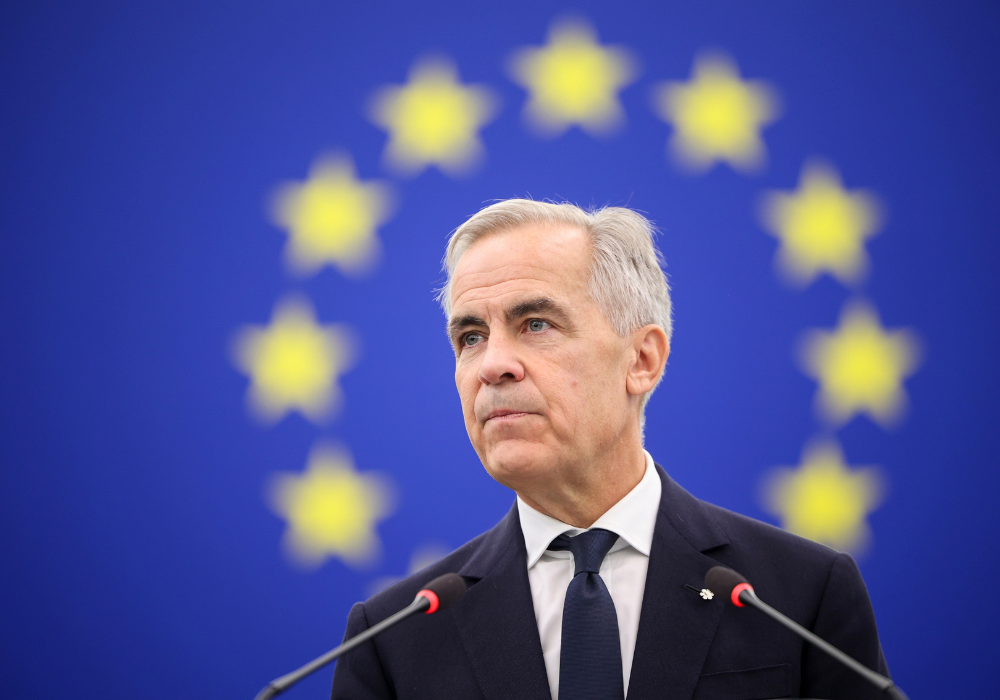
The EU has put decarbonization and electrification at the centre of its economic and energy security agenda as batteries, renewables and other electric technologies have gotten dramatically cheaper, and fossil-fuel prices and supply have become more volatile. That’s reflected in the recent draft memo prepared for the EU–Canada summit taking place in Montreal later this month. The memo highlights the importance of low-carbon energy, cleantech, critical minerals, carbon pricing and industrial decarbonization.
Aligning with the EU, therefore, isn’t just about diversifying away from the United States. It’s also about coordinating strategies with economic partners that are squarely focused on the future, not the past.
Simply put: a cleaner, more resilient economy is a core priority for Europe and fundamental to the bloc’s future prosperity and security. EU President Ursula von der Leyen made that clear in her state of the union address inviting Canada to become an associate member. In that speech, she emphasized that “There is no doubt: Europe can, must and will stay the course on its climate targets.”
That’s a critical signal for Canada if we intend to sell more of our resources, technologies and expertise in European markets.
Some context: Europe is a leader when it comes to clean energy and decarbonization. The latest official data show that EU emissions were 40% lower in 2024 than they were in 1990. That’s well on its way to the target of a 55% cut by 2030.
That will mean a rapidly diminishing market for anything that emits carbon pollution. And Europe’s targets are backed up by policy muscle. The EU, for example, is home to the world’s strongest carbon market and has a carbon tariff that applies to imports not covered by a similarly strong carbon price at home. Without that, Canadian companies looking for market access will be forced to pay the EU tariff instead of keeping revenues within our own borders – yet another reason to strengthen Canada’s industrial carbon-pricing system.
The EU also has an aggressive plan to electrify its economy. It’s set to double the current share of electricity used as final energy on the continent by 2040 (to 46%). That would cut fossil fuel imports by €260 billion per year, according to the European Commission.
RELATED STORIES:

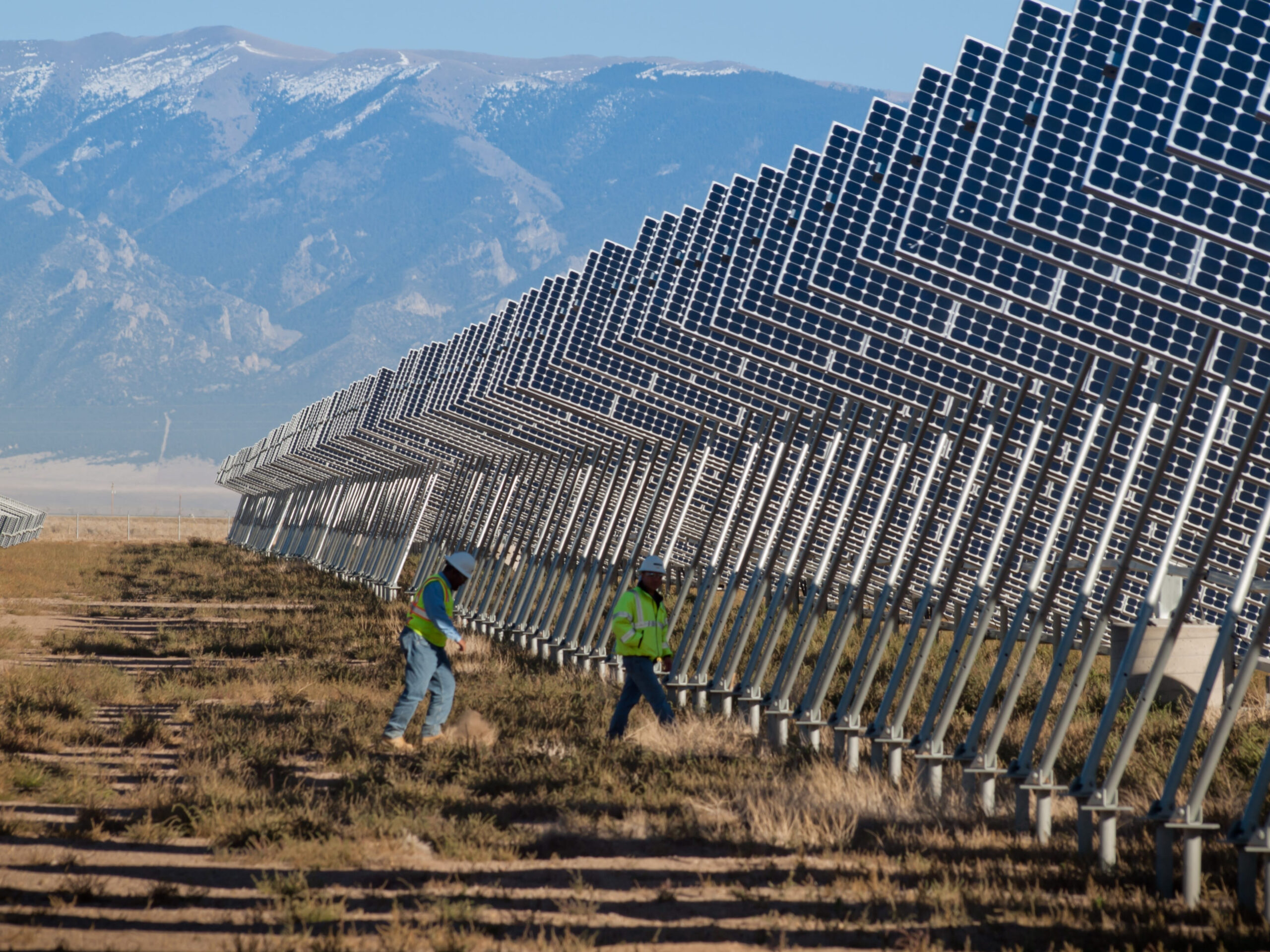
It’s also a clean-energy leader. Last year, solar and wind generated more power than fossil fuels for the first time on the continent. The two renewable-power sources generated 30% of total EU electricity in 2025; that’s up from 20% just five years prior.
Taken together, that’s an opportunity for Canadian firms offering low-carbon services, innovations and technologies. Electrifying more of Canada’s economy and doubling the size of our power grids – as the Carney government has committed – will bolster those advantages, as would making electric technologies more efficient and productive.
Finally, on critical minerals and batteries, Canada has a huge opportunity ahead, as both President von der Leyen and Prime Minister Carney have emphasized.
Europe is looking to secure these crucial building blocks of the global energy transition and Canada has them aplenty. In fact, research from the Canadian Climate Institute has shown that by 2040 the EU’s demand for just two priority critical minerals – copper and nickel – is expected to be upwards of $75 billion per year. Most of that demand will be met by imports, creating a huge new market opportunity for Canadian resources.
Turning these opportunities into reality, however, will require some quick action from the federal government. That should include aligning regulations and policies in ways that encourage more trade and benefit both jurisdictions. One example: allowing any electric vehicle that has passed safety and environmental standards in Europe to be sold here could help bring 20 of the most affordable EVs to Canada.
EU–Canada leadership is what the world needs at this moment. Closer integration and co-operation between middle powers can counteract aggressive U.S. trade action that threatens Canada’s economy, right as the global energy transition accelerates and climate-change impacts grow more severe and costly. But success will require Canada to get a move-on preparing our industries and economic strategies for new markets that are rapidly electrifying with better, more advanced technologies fuelled by clean energy.
Rick Smith is president of the Canadian Climate Institute.
The Weekly Roundup
Get all our stories in one place, every Wednesday at noon EST.