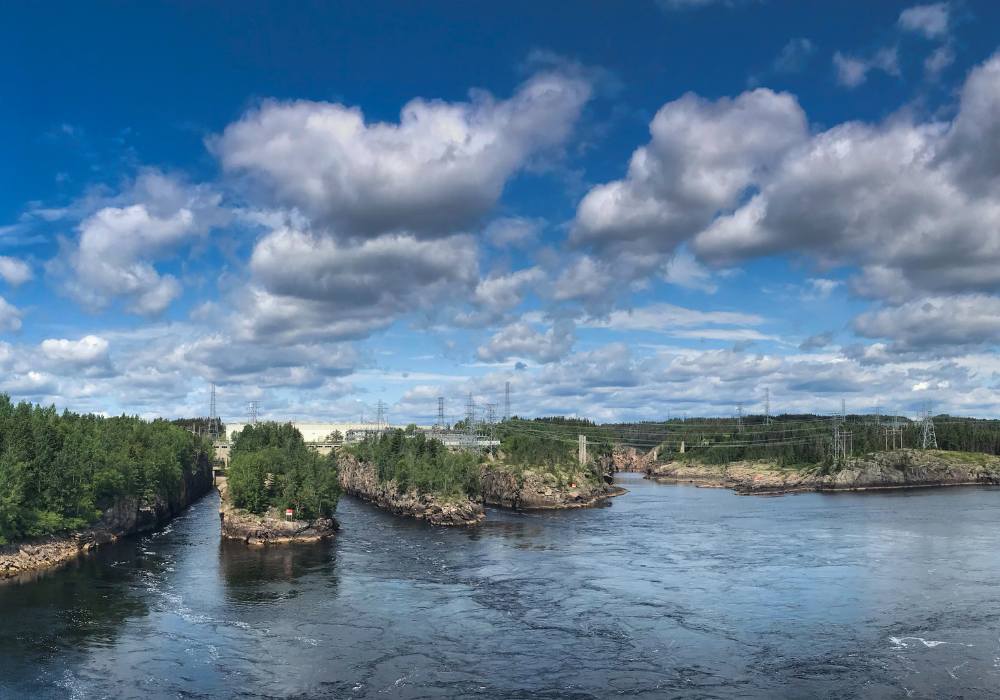
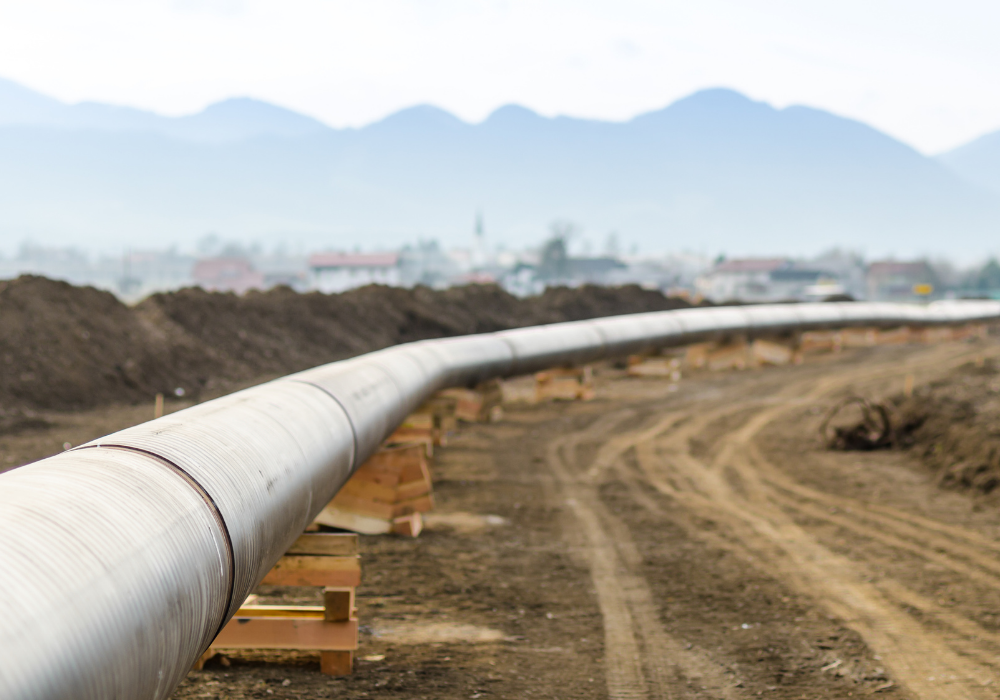
As global investors gather in Toronto for Mark Carney’s Canada Investment Summit, they will encounter one of the most ambitious proposals in the federal investment prospectus: Kino Aski LNG. At an estimated cost of US$23 billion, the project would move Western Canadian natural gas roughly 1,000 kilometres across Ontario to Baie‑Comeau, Quebec, where three floating liquefaction facilities would produce up to 15 million tonnes of liquefied natural gas annually for export.
The prospectus highlights two selling points: that Kino Aski is First Nations-led and that it would produce ultra-low-emission LNG. Investors should examine both claims carefully, for they risk creating the false impression that the project’s most sensitive challenges have already been resolved.
Ownership is not consent
Kino Aski Inc., under Atikamekw Nation Council leadership, holds 50.1% of the proponent company, with Norwegian-led Marinvest and others holding the remainder. Indigenous ownership matters. Indigenous Peoples have every right to initiate, own and benefit from major industrial projects. But a pipeline and its climate impacts do not exist only where its owners live.
Indigenous rights disputes create permitting and schedule risks; political uncertainty creates regulatory risk; electricity constraints create infrastructure and operating risk; unresolved emissions questions undermine environmental assessment and financing. Delays turn all of them into financing risk.
The proposed corridor would cross the territories of multiple Indigenous Nations. Their rights are not transferred to another Indigenous organization simply because it owns part of the project. One nation’s right to say yes cannot extinguish another nation’s right to say no.
Likewise, Quebec is in the middle of an election campaign and has not authorized the project. Voters are choosing the government that would eventually confront the territorial, energy, environmental and economic consequences of a project of this scale.
Kino Aski has not entered a formal regulatory process. The federal prospectus describes it as “pre-application” and says proponents are seeking early-stage development financing. Investors are being invited to help transform Kino Aski into a financeable project, while fundamental questions about regulatory approval, Indigenous consent and provincial support remain unanswered.
Claims without data
Kino Aski’s second major selling point also warrants scrutiny. The project revives the defunct GNL Québec–Énergie Saguenay proposal, rejected by federal and provincial authorities in 2021/2022 because proponents failed to show meaningful life-cycle emissions reductions, from production to consumption. For GNL Québec, it was estimated that full emissions could have ranged from 50 to 83 megatons annually. Kino Aski has not demonstrated that its version would perform differently, and 30 academics have already warned that the project is incompatible with climate science.
RELATED STORIES
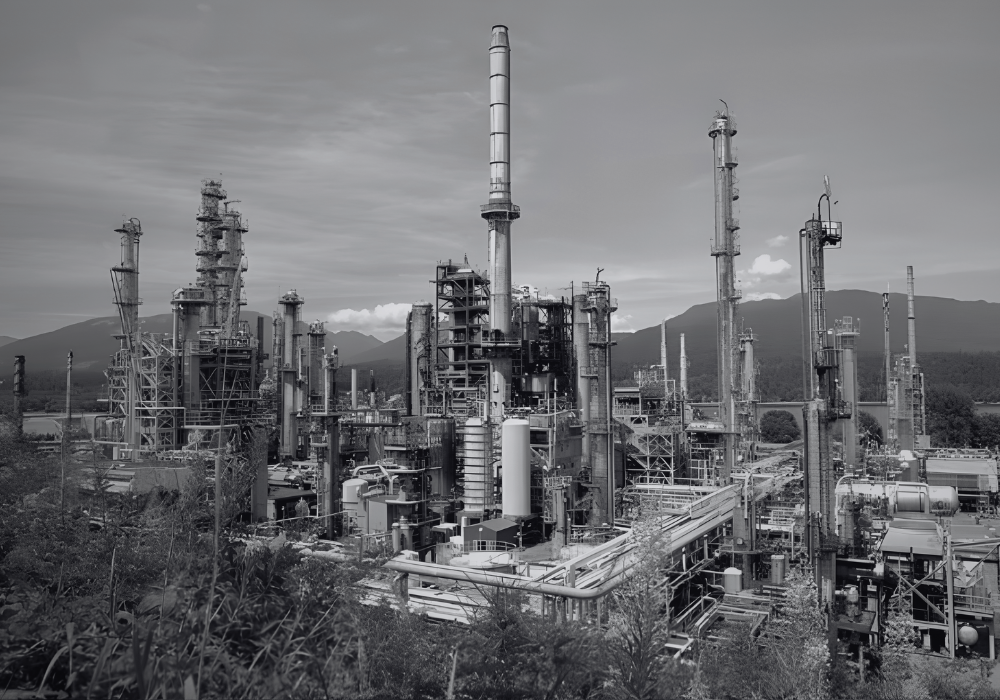
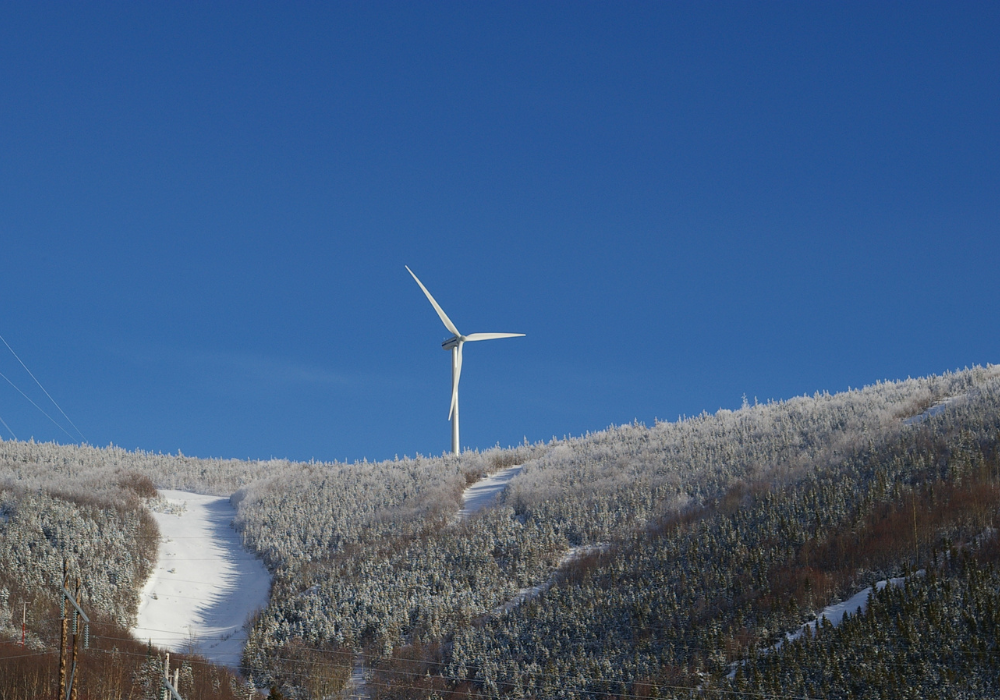
Kino Aski plans to build 1,700 megawatts of wind capacity and secure 550 megawatts from Hydro‑Québec to power its facilities. Electrification would lower emissions relative to gas-fired compressors, but it does not make LNG production low-carbon. Gas arriving at Baie‑Comeau may require carbon dioxide removal to meet LNG specifications; if that carbon dioxide is vented rather than captured and stored, electrification does not eliminate those emissions. These emissions cannot be estimated because Kino Aski has not disclosed feed-gas composition, upstream treatment requirements or carbon-dioxide-management plans.
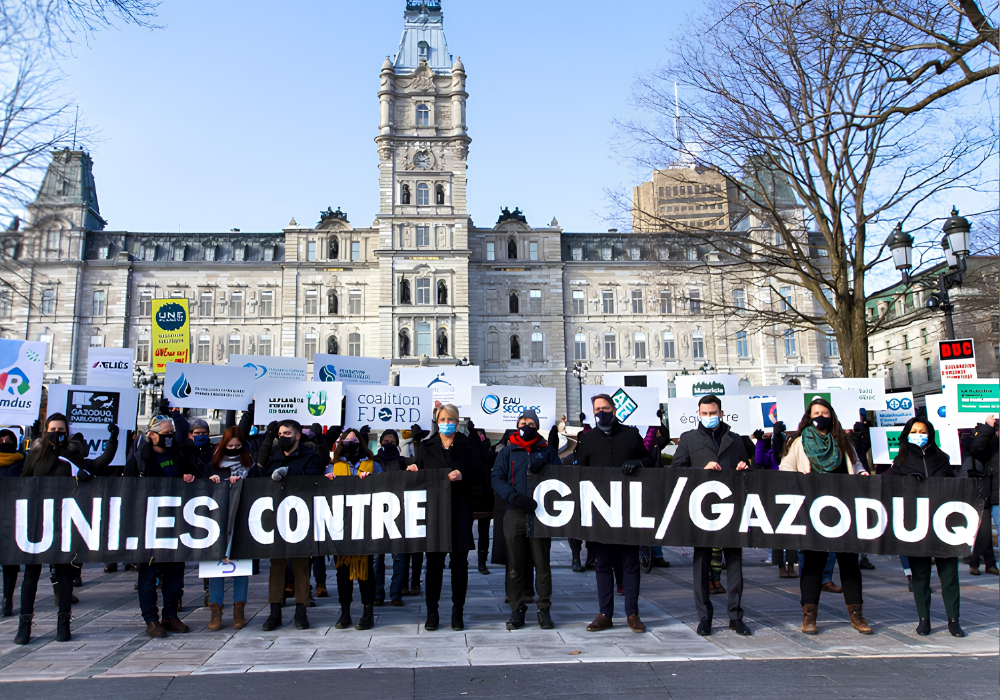
There is another dependency embedded in the claim. Kino Aski says its wind generation would be “balanced by the clean grid.” The project therefore depends on access to Quebec’s electricity network and the flexibility of its hydroelectric system — electricity that has competing uses, from electrifying transportation to decarbonizing industry.
Bankability requires more than promises
These challenges go straight to bankability. Indigenous rights disputes create permitting and schedule risks; political uncertainty creates regulatory risk; electricity constraints create infrastructure and operating risk; unresolved emissions questions undermine environmental assessment and financing. Delays turn all of them into financing risk.
The federal prospectus warns that inclusion is not endorsement. Yet by showcasing an early-stage project at a national investment summit, the government lends it visibility and credibility, making independent due diligence even more critical.
Indigenous economic self-determination includes pursuing major projects, but that right applies equally to every First Nation and municipality whose territories would be affected, and none are exempt from scientific evidence or public scrutiny and acceptability.
A federal prospectus is not Indigenous consent. It is not regulatory approval. A wind-power proposal is not proof of low-carbon LNG. None of these, on their own, establishes bankability.
Johanne Whitmore is a senior researcher and the chair of energy sector management at HEC Montréal.
Éric Pineault is a professor at the Institute of Environmental Sciences and Department of Sociology at the Université du Québec à Montréal.
Normand Mousseau is a professor in the department of physics at Université de Montréal and the scientific director of the Trottier Energy Institute at Polytechnique Montréal.
Angela Carter is a professor and Canada research chair in equitable energy governance and public policy at Memorial University.
The Weekly Roundup
Get all our stories in one place, every Wednesday at noon EST.