Governments around the world have built regulated carbon markets to encourage polluters to cut their emissions. They work by setting a cap on carbon pollution and allowing companies to buy and sell emissions allowances, creating a financial incentive to find the cheapest ways to reduce emissions.
Nature, however, has mostly been left out of these regulatory schemes – even though preventing deforestation, averting wildfires and restoring landscapes are effective ways to lower the amount of carbon in the atmosphere. Chris Costello, chief economist at Environmental Defense Fund, wants governments to bring nature into their mandatory carbon markets. Here, managing editor Mark Mann asks him about the opportunities – and the risks.
This interview has been condensed and lightly edited for publication. Watch the full conversation here.
Mark Mann: I’m on a learning curve with this space, and I imagine many of our readers are, too. So let’s start at the beginning. What is a carbon market?
Chris Costello: You’re not the only one on the learning curve. I mean, to be honest with you, we’re all on the learning curve and things are shifting every day, so there’s always something new to learn. In a way, it’s better to do that in order to understand the failures of the current system. Why do we keep hearing “Oh, we’re supposed to be happy about this thing,” and then the next day there’s an exposé about a big corruption scandal around carbon markets. How do we sort these things out? How do we actually move forward together?
MM: There’s a hot debate here in Canada right now because we have an industrial pricing system and we see think tanks and institutes trade barbed articles over it. But it’s a debate that’s hard to follow for anyone outside of it.
CC: We can talk about all of carbon pricing and carbon markets, but I think a big opportunity that’s been untapped is in nature. That’s actually where the controversy gets most heated.
We all want to make progress on climate change, but we want to do it affordably. There’s a thousand ways you could convince people or force people to emit less carbon. But a lot of those ways are really expensive and really burdensome and really difficult to get people to swallow. I think carbon markets, if they’re designed right, offer an opportunity to make fast progress on climate change, but do it in a cost-effective, affordable way that’s really transparent.
So what is a carbon market? What are we even talking about here? There are really two kinds of carbon markets. There are what are called compliance markets, and there are 50 or 60 of those around the world. These are markets that at a whole-country level or sometimes a regional level put a cap on all carbon emissions, usually from the polluting sector. That’s great because now we actually are working towards some kind of goal and maybe that cap gets reduced a little bit each year, so we’re making progress. Canada’s got a net-zero claim by 2050. So by mid-century, they have to get there. How are you going to get there? Well, you set a cap and you keep reducing the cap and pretty soon it’s zero. That’s basically how it works.
The clever thing about the market side is that you put a cap – let’s say it’s 100 tons are allowed to be emitted – then polluters get to trade those tons. So if I want to pollute a little bit more because I’m starting up a new factory, I have to buy a ton from you. And if you’re willing to reduce your emissions because you have a new electrification of your production line, you can reduce tons, and we can trade. The trade part means that we’re getting those tons that we want in the cheapest way.
Watch the full conversation on YouTube
MM: Somebody’s holding the big picture and doing the math, essentially?
CC: Exactly. Someone’s doing the math. And if you look globally, the equation doesn’t add up. So 53 gigatons — 53 billion tons a year — is the total amount we emit as polluters in the world. And if we actually want to get to net-zero, we have to turn 53 billion into zero. Those caps have to start emerging all over the world and they have to be reduced.
Believe it or not, we are making progress on that front. If you look at these compliance markets around the world, they really do have strict caps, and they really are reducing those caps. They really are causing an energy transition in the countries that have them.
There are also voluntary markets, which are not compliance markets, so there’s no government or entity saying, “Here’s the cap that you have to meet.” They’re more like individual contracts, and they take lots of different forms. There are some success stories out there, but a lot of the controversy comes from that type of market.
It gets particularly fraught when you think about nature, because nature is not part of compliance markets, except in New Zealand. All the other 60 or 70 carbon compliance markets don’t include nature. There are lots of contracts on the voluntary side in nature, but they don’t have this structure where there’s a cap and there’s a whole jurisdiction that is being measured and you’re reducing that cap over time.
If we get it right and bring nature into the compliance markets, I would argue this is the world’s largest untapped opportunity to make progress on climate change. What my whole team has been working on at Environmental Defense Fund is how to do that in a really effective and durable way.
Here are some of the numbers. I mentioned 53 gigatons. That’s 53 billion tons a year. That’s our net emissions. Right now, if you add up all the compliance markets of the world and you look at how much they are reducing emissions, it’s on the order of one to two gigatons out of that 53. If you look at nature and you say, at a relatively low price, if we were to put these into compliance markets and do it properly, how many tons could we get out of those? Our numbers are like eight to 14 gigatons per year. So nature could dwarf everything we’re already doing in the polluting sectors, if we do it right. There’s a lot we have to do to get there.
MM: What are we already doing? What is the distinction if nature could add so much value?
CC: So here’s the interesting thing: if you want to make progress on climate and have an energy transition, it’s really easy to think about the smokestack coming out of the coal-fired power plant or the steel mill, or maybe the tailpipe of your car. We don’t think of nature as an emissions source. But there is a smokestack coming out of nature.
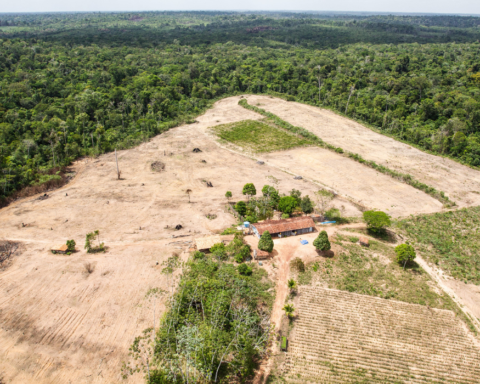
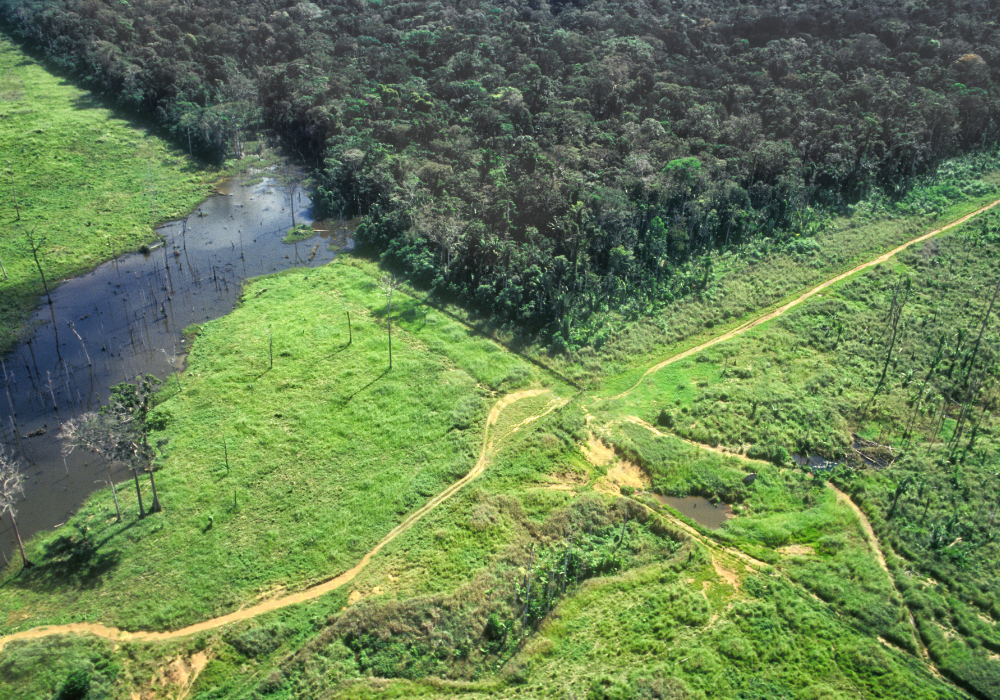
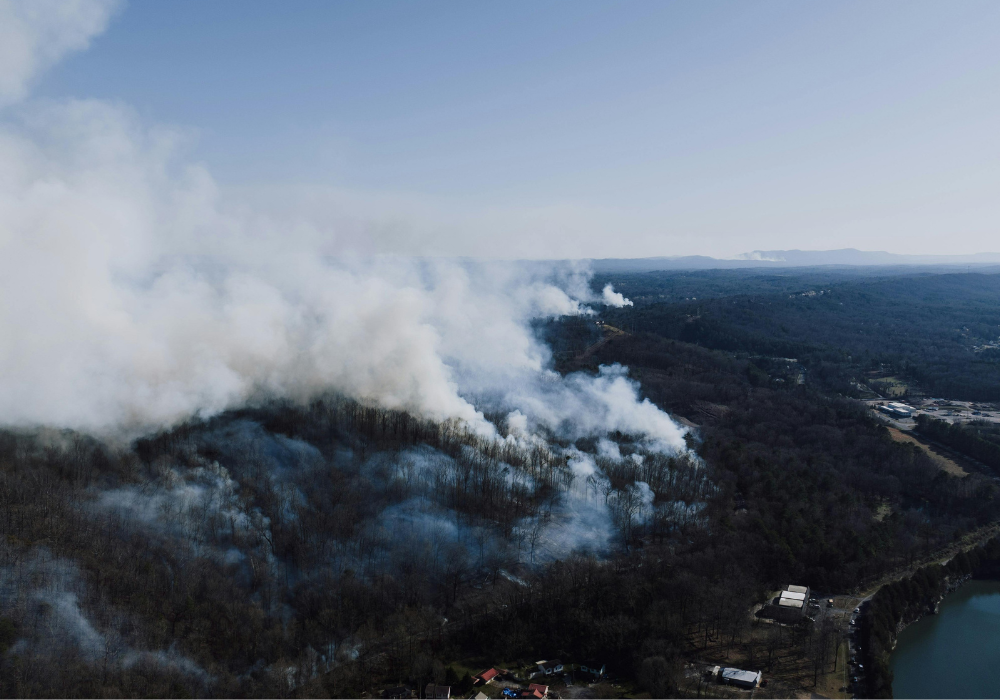
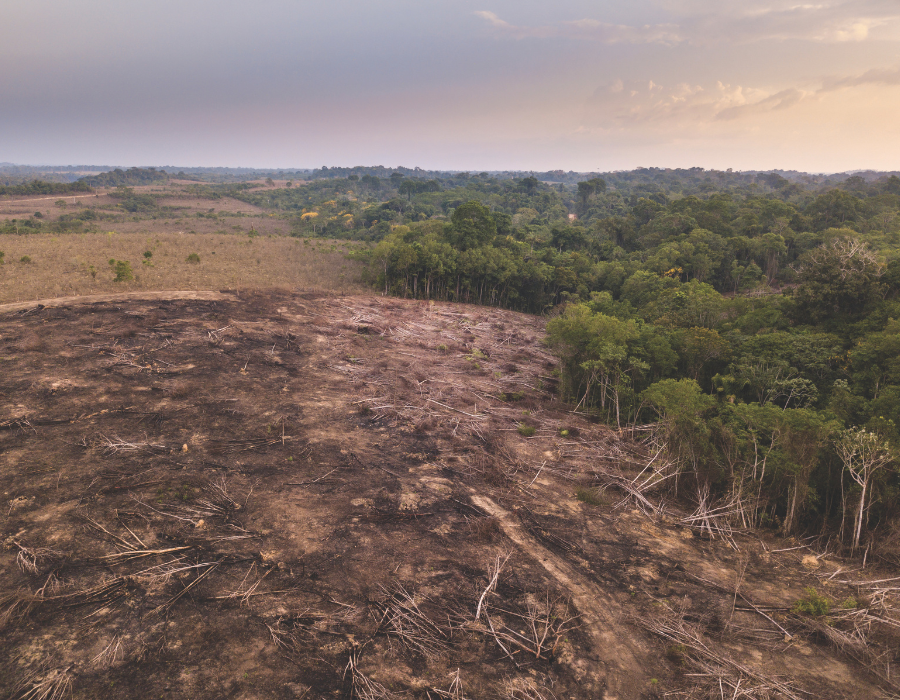
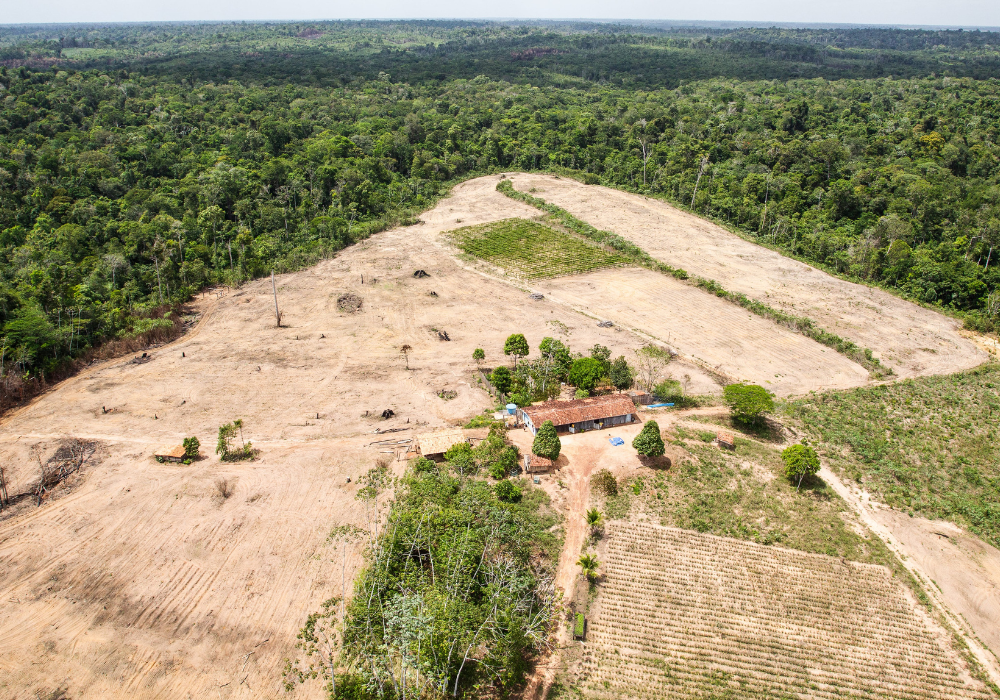
Every time you deforest an acre of land in the Amazon, you are releasing carbon. That’s just like the smokestack from the coal-fired power plant. When you mismanage your forest and get megafires, that is a smokestack coming out of nature. Canada’s annual carbon emissions from forest fires are in the same ballpark as their annual emissions from all industrial and transportation activity. So nature is just as important an emission source in Canada as other emission sources.
MM: Why does it emit to cut down a forest? How is it a smokestack?
CC: It’s a great question. There is a subtlety here. Trees store carbon, so there’s a lot of carbon embedded in that tree trunk and the leaves and everything. When you cut that tree down, it depends on what you do with it. If you’re in the rainforest, often what’s happening is you’re deforesting in order to make room for agriculture. And often the way we deforest to do that is by burning. So that makes it really clear. Now if you’re cutting trees down to make furniture and you’re embedding that carbon in furniture that’s sitting in your house, it isn’t being released. So there’s some subtlety there, and we have good data on how much is actually being released.
MM: The takeaway is that actually most people wouldn’t really expect or realize that nature is contributing to the climate problem.
CC: Yes, but it’s our mismanagement of nature. I’m an economist; I’m trying to bring a market-based approach to change the incentives around forest management so that you don’t get the severe megafires. 2023 was the worst fire year ever, I think, for Canada. There were, like, three billion tons of carbon emissions that came from the forest fires in Canada in a single year. It completely dwarfed all industrial emissions combined. We have to think of that side of the equation. There’s a huge, untapped opportunity to manage those emissions by incentivizing.
That’s trying to stop the bad thing from happening. We have to do that. But the real magic of nature, and one of the reasons I’m so excited about it, is that it’s also a machine to suck carbon out of the atmosphere. And if you manage forests and ecosystems in the right way, you can suck more carbon out of the atmosphere. If you get those incentives right for both of those things, you have an enormous, untapped potential in nature to make rapid progress on climate.
MM: The situation you’re in is that you’re making this pitch at a moment when there’s huge skepticism for the idea of pricing nature and trading in this way because of what happened in the voluntary carbon market. Is that fair to say?
CC: That’s fair to say, yes. But I’m not coming into this naively saying, “I’ve got snake oil here, I’ve got the next big thing.” I’m borrowing from the successes of the 60, 70 or 80 carbon markets out there in the world that we’ve learned a lot from, that are reducing tons, and that are solving the very problems in the voluntary market through the compliance architecture. So I’m taking that compliance architecture and asking, “How do we apply that in nature?”
MM: What is the smaller narrower thing that the compliance architecture is doing? Where are they currently getting their emissions reductions?
CC: Almost all compliance markets except New Zealand don’t include nature. So in those compliance markets, how are you getting the carbon reductions? It depends on the sector. You’re getting it in transportation; you’re getting it often through EVs and electrification. In other sectors, you’re getting it through transformation of production processes or even sometimes electrification of historically fossil [fuel] production processes. The key point is when you have to pay for every ton of carbon you’re emitting or you get rewarded financially for reducing your carbon emissions, there’s an enormous carrot out there to innovate. That’s what we want people to do. We can try to legislate and tell people how to produce stuff, but that doesn’t work very well. What you want to do is give them an incentive to do it and then they invent the best way to do it. And that’s what I meant by low cost.
MM: You’re not telling them to implement a particular technology. You’re just setting the cap and then they have to meet it however they can.
CC: Exactly. We think that the same kind of incentive structure can be used in nature, both to incentivize someone to not deforest when they otherwise would and to incentivize restoration. If you have degraded land but you can restore it to a healthy forest and get paid to do that because you’re now pumping carbon out of the atmosphere, why wouldn’t we want to incentivize that? Especially if the data suggests that’s one of the cheapest ways to get reductions.
MM: Clearly the voluntary market broke ground here and then faltered. The voluntary market is tiny compared to the compliance market. So now you want to level it up into this regulated system of incentives. How do you do it better this time? What are the solutions to the problems that happened before?
CC: I want to give some credit to the voluntary market. My interpretation of the exposés is that when you find one project that failed or didn’t deliver on what it was supposed to, that casts a shadow on the whole enterprise. But the intent of the voluntary is great. The idea is that someone wants to get carbon reductions and they want to do it in a cheap way, so they find a project, often in a developing country. But what happens is, if I said, “Hey, I’m looking for someone who will agree not to deforest next year, come sign up for my program,” the first people to sign up are the people that wouldn’t have deforested anyway. This is called the “additionality problem”: you’re paying somebody for a ton of carbon, but the payment isn’t really translating into a change on the ground. And if you want these things to function at scale, it has to be true that you’re actually changing something on the ground.
The way the compliance approach fixes that additionality and several other problems is that you’re not just measuring the emissions from one project. You’re taking the whole jurisdiction and you’re measuring emissions every year, or even more frequently, from all the properties in that place. And then you set the cap on all those entities and that’s where trading is allowed. That cap ensures that your tons are additional.
MM: Is there not a challenge with making trade-offs in nature? You’re losing some nature over here but gaining more over there, but can you really compare these things?
CC: It’s a really important question. The way I think about the climate problem — the 53-gigaton problem — is that I want to reduce that number quickly and affordably. If we can get the cheapest tons from nature, and they’re just as valid as reductions from a coal-fired power plant, I want those tons.
I want net emissions to fall, and I think compliance markets are the way to do that. If nature can be put on a level playing field with industrial emissions, it could lower the cost of reducing emissions and allow governments to set more ambitious climate targets. If reductions cost $30 a ton instead of $80, you can set a more ambitious target. If the tons are real and cheap, we should be going for them.
MM: This is another facet of the debate that I personally find confusing. What I’ve seen with the debate about the Canadian industrial carbon price, the struggle for Ottawa is to keep the price high enough. And I think a critique is that if the price is too low, then it’s too cheap to pollute. Could you explain that dynamic?
CC: It’s a hot topic right now, with a lot of debate around it. I think your question is, if we’re really successful with this nature approach and it lowers the carbon price, is that a problem?
There are two reasons prices can be low in a carbon market. The first is a lack of integrity or credibility. If you’re not sure something is actually delivering what it claims, you won’t pay much for it. It’s like buying a used car when you can’t drive it, look under the hood or inspect it — you might be skeptical of its quality. That has been responsible for low prices in some voluntary-market transactions historically.
RELATED STORIES
But there’s another reason prices can be low: you have fully credible, real tons being removed from the atmosphere, and you’ve found an inexpensive way to make progress on climate change. I like that. I want more of those tons, not less.
So which is it? Is the price low because of integrity problems or because we’ve found an opportunity that lowers the cost of addressing climate change? I want to live in the second world, not the first. That’s how we’re designing this: to be fully robust from an integrity standpoint while using the market to find the cheap, credible tons we want.
MM: So if you can make tons that are essentially beyond reproach and also they’re cheap, then people will buy them. One hurdle here, I think, is the quantification aspect. You have to know what you’re getting out of these. That’s got to be part of making these tons real and authentic. But then it just seems like it’s a tall order as a data exercise. What’s the story there?
CC: We’re still learning and trying to improve. People call this “MRV” — monitoring, reporting and verification. Even in a compliance market for polluters, you have to measure emissions. Even if you simply told people, “You can only emit 30 tons today,” you would have to measure their emissions to know whether they are above or below that limit.
Most climate action requires some kind of measurement. We tend to think it’s easier to measure carbon from a smokestack than to measure emissions from cutting down a tree. Nature is harder in that sense. But we already have an MRV architecture for compliance markets.
The surprising thing is that, much of the time, we aren’t measuring carbon emissions directly. We’re measuring proxies. Every gallon of gasoline burned emits about this many tons of carbon, for example, so we can measure gallons of gasoline and use that conversion.
If I get my wish, we’ll use this approach in forests and agriculture. I want farmers to be incentivized to improve soil management, because soils can sequester a lot of carbon. I also want to incentivize mangrove restoration and, in Canada, kelp forests — both of which can take up a lot of carbon.

MM: My secret is if I could throw it all away and do something else, I would go and be a kelp farmer.
CC: [Laughs] Okay, so how do you measure kelp — the amount of kelp, the carbon it sequesters, or the emissions released by deforestation or a forest fire? Different aspects of nature require different technologies.
We’re pretty good at measuring carbon fluxes in forests. We’re less good in agriculture, and we’re kind of terrible at measuring them across most of the ocean. We know it’s happening because the physics and chemistry tell us it has to be, but it’s very hard to say it was eight tons rather than seven.
For me, as an economist thinking about market design, the question is how precise you have to be and what technologies you need to underpin a market. I think we know enough to start with forests and build a market there. We probably don’t know enough to start on day one in the oceans. There’s work to do, but I don’t think it’s insurmountable, and I think there are places we can start right now.
Mark Mann is the managing editor of Corporate Knights. He is based in Montreal.
The Weekly Roundup
Get all our stories in one place, every Wednesday at noon EST.