The new high season. The rise of the shoulder season. The advent of the “coolcation.” The tourism industry is adept at naming and claiming new travel phenomena. But the times when we choose to travel are undeniably shifting, and by extension, where we’re going.
New findings from the popular tourism website Booking.com released in April show that more people – nearly three-quarters – factor in extreme weather, in particular heat, when choosing where to visit. The findings are based on a survey of 32,500 people living in 35 countries or territories that include North and South America, Asia, Africa and Europe. Some 55% of the respondents said that certain destinations had become too hot to travel to when they wanted to visit them.
The toll of recent dramatic summer heat waves in Europe is lodged in our memory. There were more than 47,000 heat-related deaths in Europe in 2023. Rising temperatures are the main engine behind the so-hot coolcation trend.
Hotter summers are also linked to other environmental consequences that are affecting tourism, such as wildfires, drought and water shortages. Parts of Europe are in the midst of historic wildfires this summer. Hundreds of thousands of people have been forced to evacuate in Spain and France, which has been described as one of the biggest evacuations since the Second World War. And another heat wave is expected to set in this week, making the work of tamping down the blaze all the more fraught. Officials in Europe are warning that the wildfire season could stretch into October and November. Wildfires are also raging in Canada, with nearly four million hectares burned so far this year.
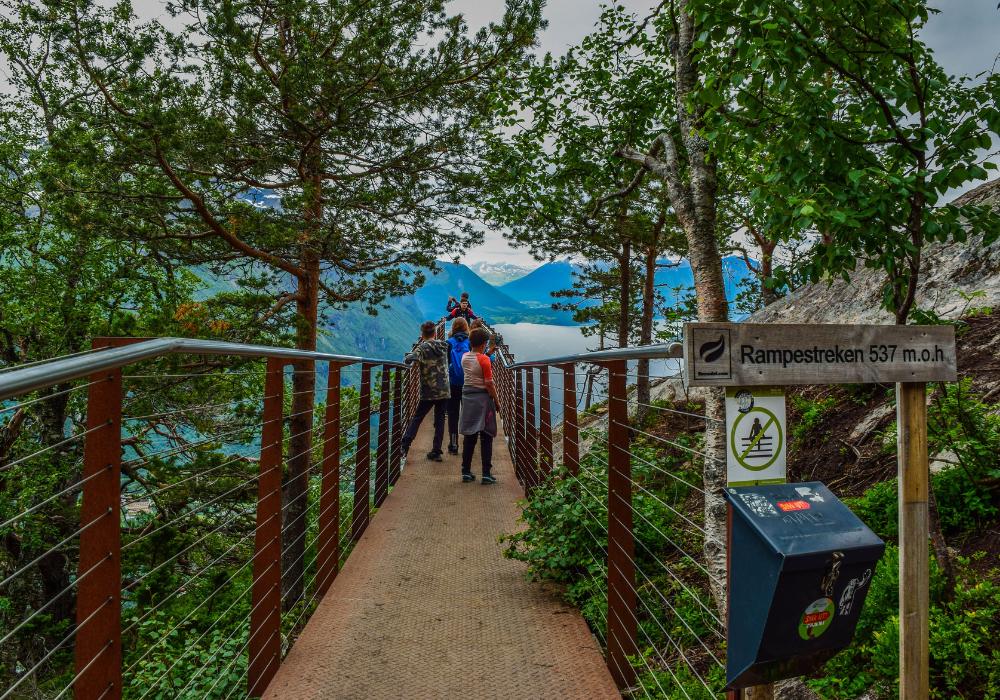
Even before the grim season got underway, Norway was outright marketing its coolcation potential – noting its “lush, green forests” and “crisp, fresh air.” But other Nordic and northern countries have also become magnets.
A 2024 survey by Virtuoso, a luxury travel website, found that travel to northern Europe and Canada went up 44% that summer, while Italy, Greece and France dipped by half a percent. For the typically warmer locales in the northern hemisphere, data from the European Travel Commission show that while the summer months still are the favourite – with 25% of European travellers picking July and August to take a trip – September is a close second, at 22%.
The coolcation is often billed as a more sustainable form of travel, because it takes the pressure off the typical hot spots and does not strain certain kinds of energy consumption, such as air conditioners. However, the distance travelled is another factor to consider in that calculation.
The Weekly Roundup
Get all our stories in one place, every Wednesday at noon EST.