
The oceans are a key carbon sink. They have absorbed roughly 30% of human-caused carbon emissions and trapped about 90% of the excess heat that emissions cause. All of this has created conditions conducive for a deadly bacterium to flourish, and authorities are sounding the alarm.
Vibrio bacteria are invasive pathogens that thrive in brackish and warmer water. They have been recorded in areas that used to be too cold for their taste, including the northeastern coast of the United States. Vibrio causes an infection called vibriosis, whose symptoms commonly include diarrhea, vomiting and fever. But an aggressive “flesh-eating strain” can be deadly, causing severe infections within days when coming into contact with open wounds.
According to the U.S. Centers for Disease Control, 3,743 cases of vibriosis were reported in 2024, including 222 cases of the particularly dangerous Vibrio vulnificus. Atlantic Coast states accounted for the largest share of infections. The CDC cautions that these figures likely underestimate the true toll because many infections are never diagnosed or reported. Not to mention that these numbers are only growing as the warming of oceans continues.
Scientists have long warned about the numerous consequences of warming oceans. Water has a remarkable capacity to absorb heat, but that buffering effect comes at a cost.
According to NASA,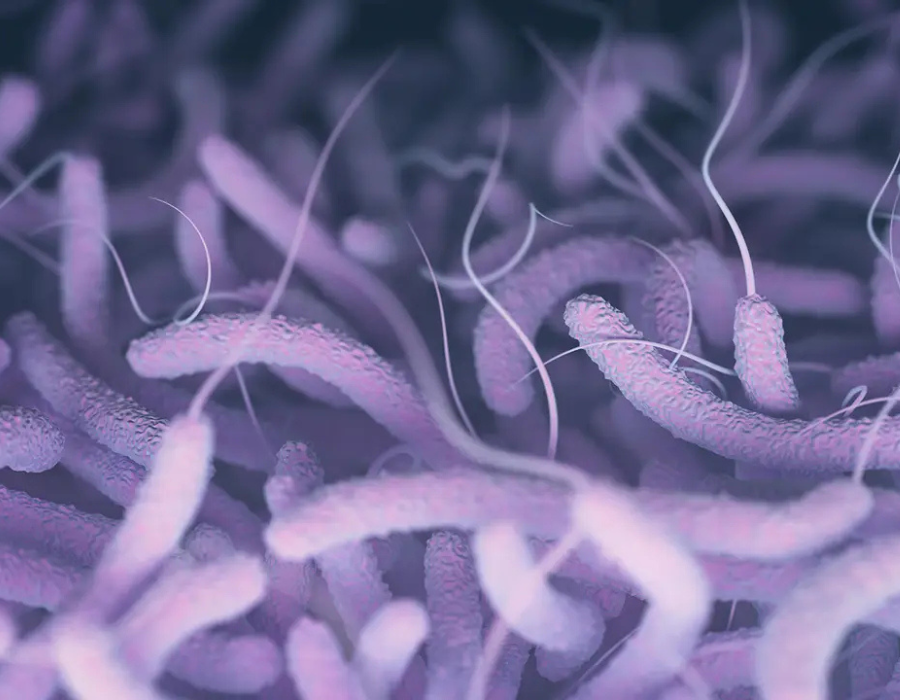 about 90% of the excess heat trapped by greenhouse gases over the past century has accumulated in the ocean, making ocean heat content one of the clearest indicators of climate change.
Vibrio bacteria are particularly sensitive to these changing conditions. Naturally found in coastal waters around the world, they multiply rapidly as temperatures rise and salinity levels shift. Researchers have increasingly documented the appearance of Vibrio bacteria in places once considered inhospitable. In a landmark 2012 study published in Nature Climate Change, scientists linked unusually warm conditions in the Baltic Sea to the emergence of Vibrio infections at higher latitudes and warned that continued warming could expand the pathogen’s range even further.
A growing body of research suggests Vibrio may serve as a blueprint for understanding how climate change can reshape the spread of infectious diseases more broadly. A 2024 review in PLOS Pathogens argues that the Vibrio bacteria can be used as a model organism to illustrate the complex ways in which environmental change, ocean warming, pathogens and diseases, as well as human health more broadly, intersect.
The oceans’ ability to absorb humanity’s excess carbon and heat has slowed the pace of atmospheric warming. Yet the same process is transforming marine environments in ways that can have immediate consequences for human health. The appearance of Vibrio bacteria in new waters raises difficult questions for health authorities: how to recognize emerging threats early, communicate risk without causing alarm and protect populations that may no longer be as insulated from these infections as they once were.
Natalie Alcoba is a Buenos Aires-based journalist and senior editor at Corporate Knights. Alexandre Paquet is a Toronto-based researcher writing about video games and culture industries.
The Weekly Roundup
Get all our stories in one place, every Wednesday at noon EST.