As Africa’s most populous country, home to some 230 million people, Nigeria has a long to-do list of projects contending for public dollars. Water and sanitation, housing, agriculture: all require deep investment. The growing climate crisis only makes the list longer.
But like many other developing nations that are feeling the increasing burden of climate change, the main challenge is finding the money. To assemble the financing, Nigeria is turning more and more to a tool that is already yielding results: the green bond. Late last year, the government issued its third and fourth tranche of sovereign green bonds totalling 300 billion naira (US$220 million).
Nigeria started down this path back in 2017 when it became the first African country – and the fourth worldwide – to issue a sovereign green bond, valued at ₦10.69 billion (US$7.85 million). Certified by the London-based nongovernmental organization Climate Bonds Initiative, investor demand outstripped the offer and the bond was oversubscribed.
Two years later, the West African nation issued another sovereign green bond valued at ₦15 billion (US$11.16 million). Like the first, the 2019 sovereign green bond saw a 220% oversubscription, bringing the total value of subscriptions to ₦32.93 billion ($23.57 million).
Like regular bonds, green bonds pay a fixed rate of interest to investors, but they keep the focus on raising capital for environmental and climate-related projects, from renewable-energy and clean-transportation to afforestation and climate-change-adaptation projects. The success of the inaugural 2017 green bond and the subsequent tranche in 2019 “signals growing investor appetite for green assets even in emerging markets,” says Dare Ogunbona, chief executive officer at Green Advisors Limited..
Green bonds gaining traction
Launched in 2007 by the European Investment Bank, the market for green bonds is growing steadily worldwide, reaching US$2,625 billion as of December 2024. In that year alone, $522 billion of new green bonds were issued, up from $135 billion the previous year, according to French asset manager Amundi’s 2024 Green Bond Impact Report. However, Africa is yet to fully tap into this potential. The continent accounts for about US$5.1 billion – less than 1% – of the total $2.2 trillion green bond market. But in recent years, the market on the continent is making major gains. For example, green bond issuances grew by 125%, from $600 million in 2022 to $1.4 billion in 2023.
Other countries on the continent are also picking up on the trend. In 2020, Egypt became the first country in the Middle East and North Africa to issue a sovereign green bond. That bond, too, was oversubscribed, leading the government to increase its initial offering from $500 million to $750 million.
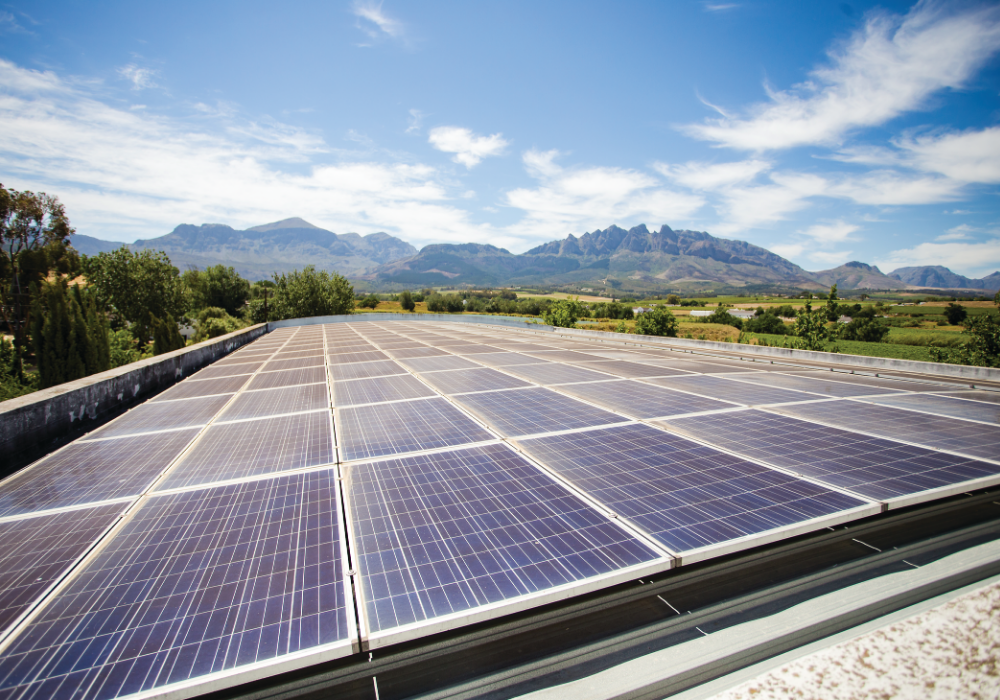
Back in Nigeria, Ogunbona credits green bonds with “meaningful structural progress.” Proceeds from green bonds issuances have helped the Nigerian government to fund projects such as afforestation programs, the 10-megawatt Katsina wind farm power project, and off-grid solar power plants. However, these projects have been severely challenged, including by inadequate monitoring and weak sustainability frameworks. An investigation by a local newspaper also found that green-bond-financed afforestation projects failed largely because of poor implementation.
Given that so many climate projects still need to be funded, Ogunbona believes that green bonds will remain a viable option for the Nigerian government, especially as investors show increasing commitment to sustainability. “As of March 2025, 95.44% of proceeds from the 2019 green bond had been deployed to approved green projects,” he says. “For investors with a medium to long horizon and appetite for emerging market risk, Nigeria’s green space is very much in play.”
Saint Ekpali is a Nigeria-based journalist who covers the environment, health and energy in Africa.
The Weekly Roundup
Get all our stories in one place, every Wednesday at noon EST.