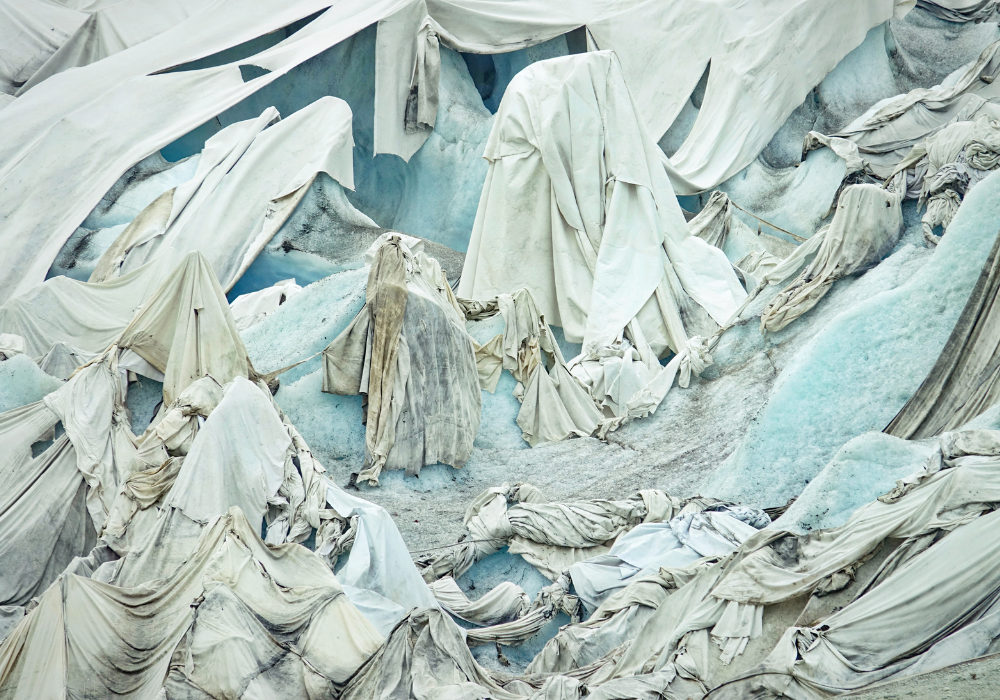
In 2019, Iceland’s prime minister, Katrín Jakobsdóttir, former Irish president Mary Robinson, and approximately 100 others hiked for two hours to the top of a volcano in Iceland that used to be a glacier. There they installed a plaque engraved with a “Letter to the Future.” The solemn and highly publicized event was billed as the first funeral for a glacier in Iceland, perhaps the first ever – and drew attention to the impact of climate change on fragile ecosystems. Part moment of grieving, part call to action.
Since then, funerals have been held for other glaciers in Switzerland and the United States, with eulogies and dirges performed by flute and string quartets. And the stream of tourists flocking to catch a glimpse of the disappearing frozen giants has also broadened. Known as “last-chance tourism,” this trend occupies the space between loss and celebration, as people navigate growing strains of ecological grief.
A 2026 study out of Rice University in Texas noted that some 14 million people visit the most popular glaciers on the planet every year. The university also keeps a “global glacier casualty list” to “remember their names and tell their stories.” Since 2000, thousands of glaciers of varying size have disappeared.
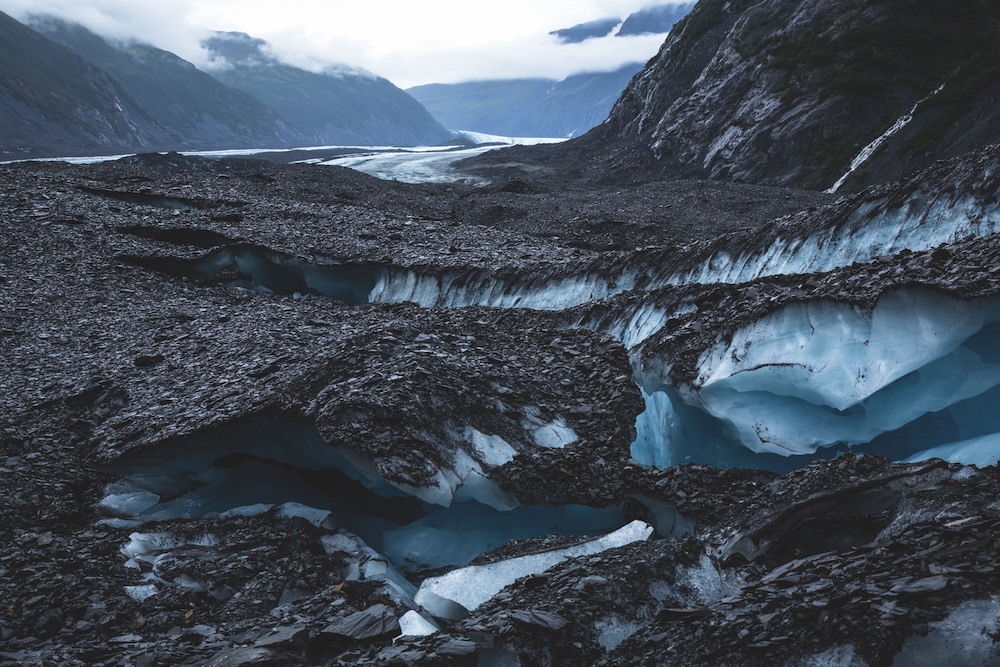
“Most people on Earth will never be able to visit a glacier, and that fact becomes truer every day as they disappear,” said Rice University anthropologist Cymene Howe, who co-authored the study. “But the desire is there. To be near these giant bodies of ice is a powerful experience because they are unique natural wonders that move, creak, whisper and invite reflection.”
The desire to be near to glaciers as they melt and fade away is a double-edged sword. As Howe notes, the tourism draw may end up harming the glaciers, not just directly from increased traffic, but also indirectly from the emissions caused by the travel required to get to them. Emmanuel Salim, a mountaineer and geography professor at the University of Toulouse in southern France, suggested in a paper that tourists risked “loving glaciers to death.”
Natalie Alcoba is a Buenos Aires-based journalist and senior editor of Corporate Knights.
The Weekly Roundup
Get all our stories in one place, every Wednesday at noon EST.