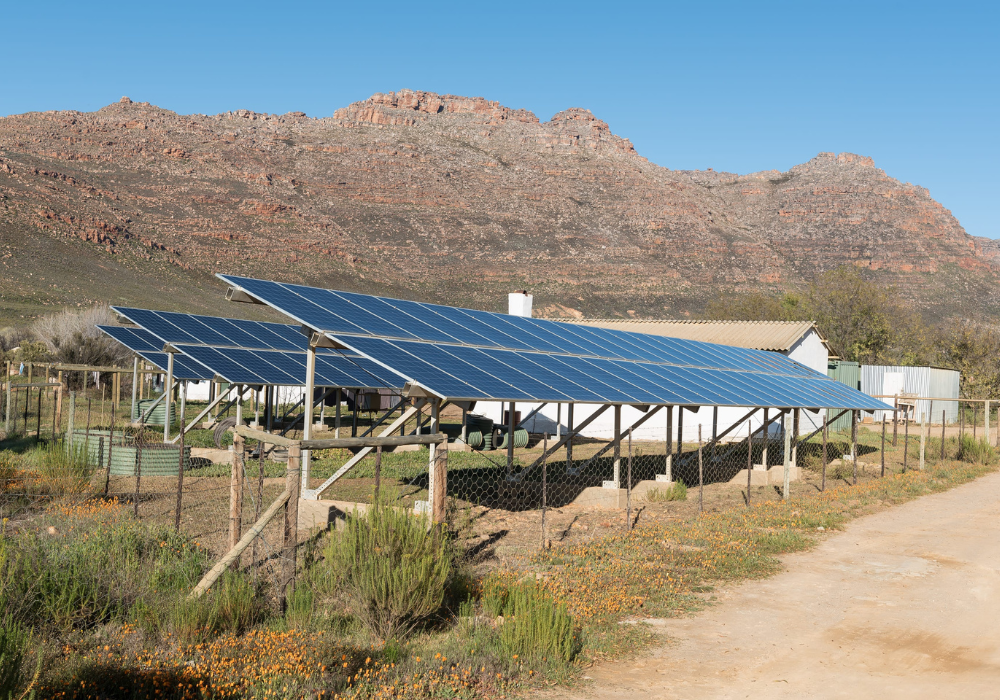
Husk Power Systems, the world’s biggest solar mini-grid operator, began operations in Nigeria in 2020. Today, it operates 50 such systems in the West African nation, with plans to expand to 500 more.
Husk’s expansion is an example of the solar boom taking off across Africa. The continent holds 60% of the world’s best solar resources; while it accounts for just 1% of global installed solar photovoltaic capacity, the tides are gradually turning.
Africa added 54% more solar capacity in 2025 than the previous year, according to the latest Africa Market Outlook for Solar PV released by the Global Solar Council. This is the highest annual deployment Africa has ever recorded, led by South Africa, which added 1.6 gigawatts of new solar capacity. Nigeria followed with 803 megawatts, and Egypt with 500 megawatts.
The immense potential that solar holds has “hit everybody” on the continent, says professor Chiso Ndukwe-Okafor, executive director of Consumer Advocacy and Empowerment Foundation, an advocacy organization that works on the energy problem in Nigeria.
Ndukwe-Okafor contends that African countries are looking for ways to increase the productivity of their economies and recognize affordable energy as essential to that goal. “To have a productive society, there [must] be an enabling environment,” she explains. “And an enabling environment means you have to have constant and affordable power.”
The Global Solar Council report found that solar installations on the continent are being driven by both large utility-scale projects, which feed electricity directly into national grids, and distributed solar systems, which include rooftop installations and mini-grids to meet the energy demands of households and businesses.
Distributed systems are rapidly increasing even in off-grid African communities. Last year, for example, Ghana and Switzerland jointly launched a $200-million National Clean Energy Programme to develop 137 megawatts of rooftop solar photovoltaic capacity across approximately 4,000 installations.
Solar power “reduces the cost [of energy] to the community while improving their ability to become more productive,” Ndukwe-Okafor says.
RELATED STORIES
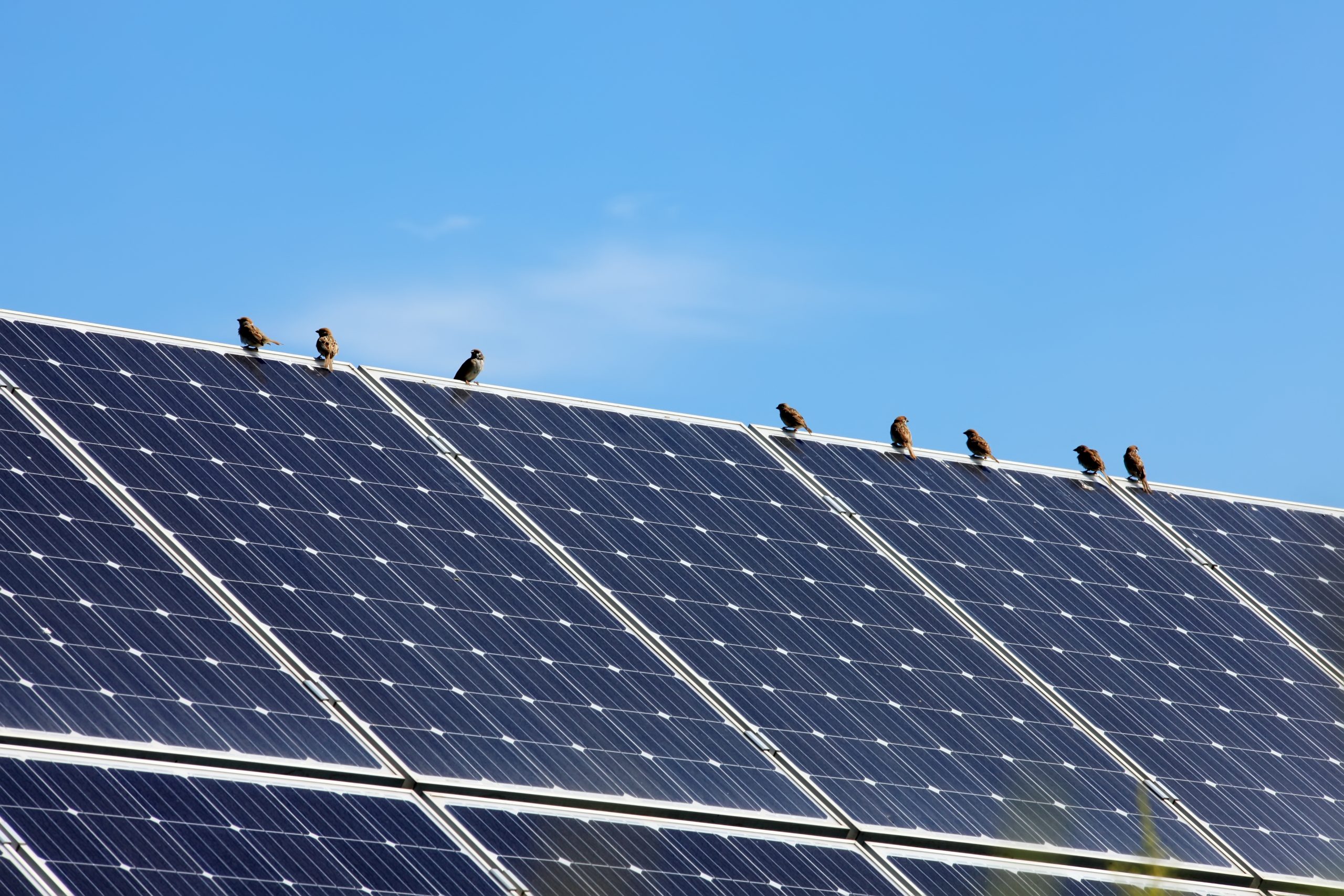
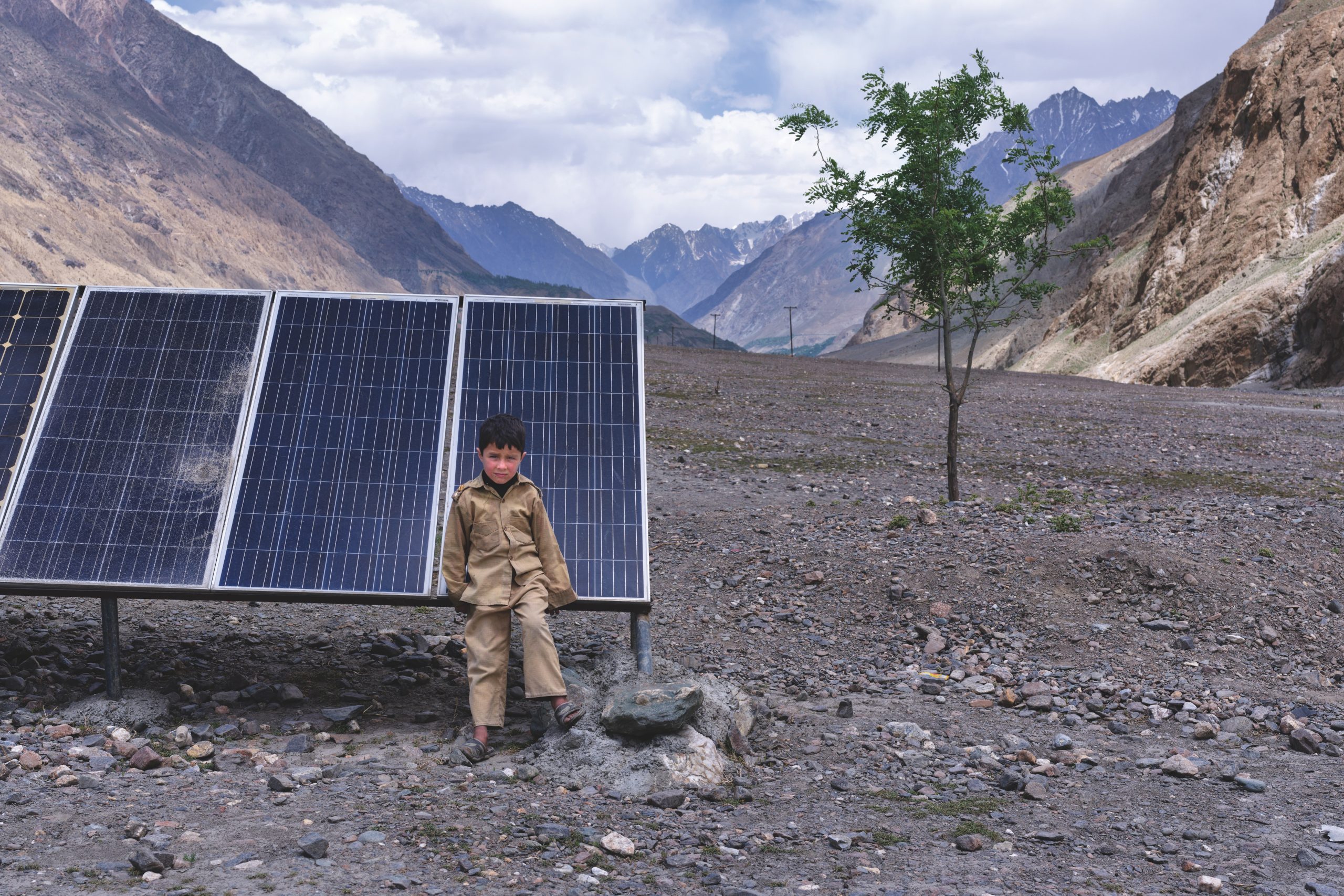
Meanwhile, investments in solar power are increasing on the continent. Between 2020 and 2025, Africa invested US$34 billion in clean power technologies, out of which 52% was allocated to solar energy, according to the State of African Energy 2026 Outlook Report. These investments were also possible because of policy reforms and the support of governments, including in Nigeria, where its Nigeria Electrification Programme initiative deploys mini-grids, rooftop solar and other solar solutions to people without access to electricity. Since 2018, the private-sector-driven program has helped at least 5.9 million Nigerians access electricity services, in part through the commissioning of 180 mini-grids.
Despite the boom, Africa still lacks adequate financing and investment, which could limit the continent’s potential to generate at least 300 gigawatts by 2030, a goal set by the Africa Renewable Energy Initiative. Besides, the capital costs for solar projects in Africa are three to seven times higher than in developed countries.
This financing gap widened after U.S. President Donald Trump ended Power Africa in February 2025. The Power Africa program was launched during the Obama-led administration in 2013 and aimed at providing electricity to millions of households in Africa. Before it ended, the program “contributed to 14,300 megawatts of capacity reaching financial close” and “facilitated over 41 million new or improved connections for homes and businesses.”
Nevertheless, Ndukwe-Okafor believes that “Africa is a huge [solar] market” with existing policies that can attract the right investment to the solar sector.
Saint Ekpali is a Nigeria-based journalist who covers the environment, health and energy in Africa.
The Weekly Roundup
Get all our stories in one place, every Wednesday at noon EST.