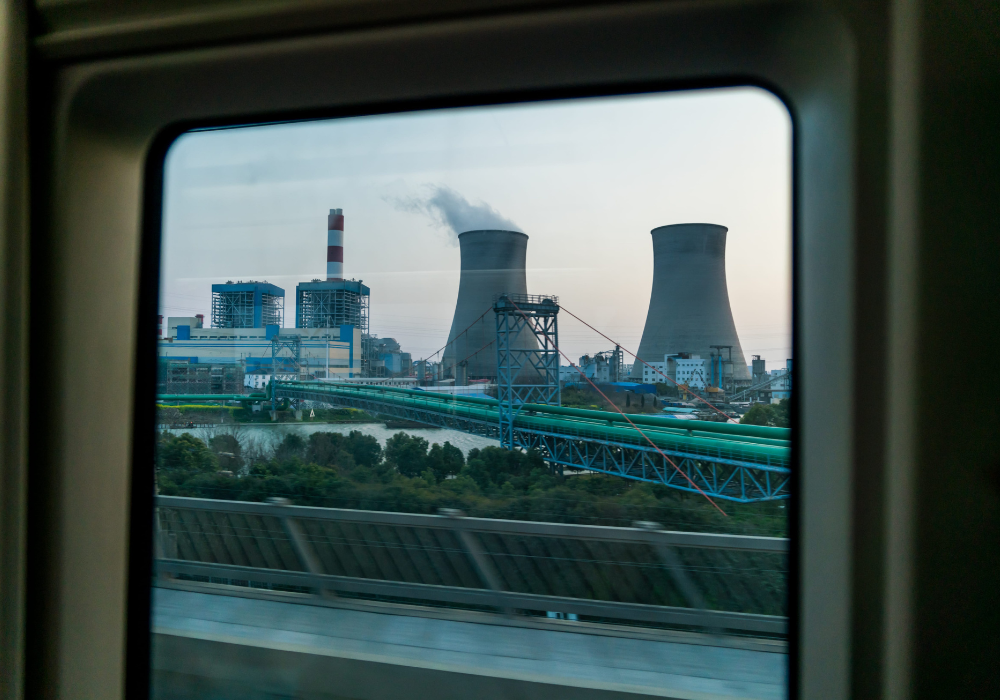
By any measure, China is the world’s undisputed leader in the energy transition. Last year, China produced 16 million electric, hybrid and fuel cell vehicles, eclipsing the next-largest producers, Germany and the United States, at about one million EVs each. China is also the world’s top producer of renewable energy, accounting for about half the world’s wind, solar and battery storage capacity in 2025.
Alongside this tsunami of clean energy lies a head-scratching contradiction: China is also massively building out its coal mining, coal-fired power and coal-based chemical industries. It’s hard to fathom why the world’s biggest producer of clean energy is also undertaking the largest expansion of the planet’s dirtiest fuel. “I think a lot of people are puzzling and really trying to understand what is happening in China,” says Heffa Schücking, founder of the German-based climate and bank-watch group Urgewald.
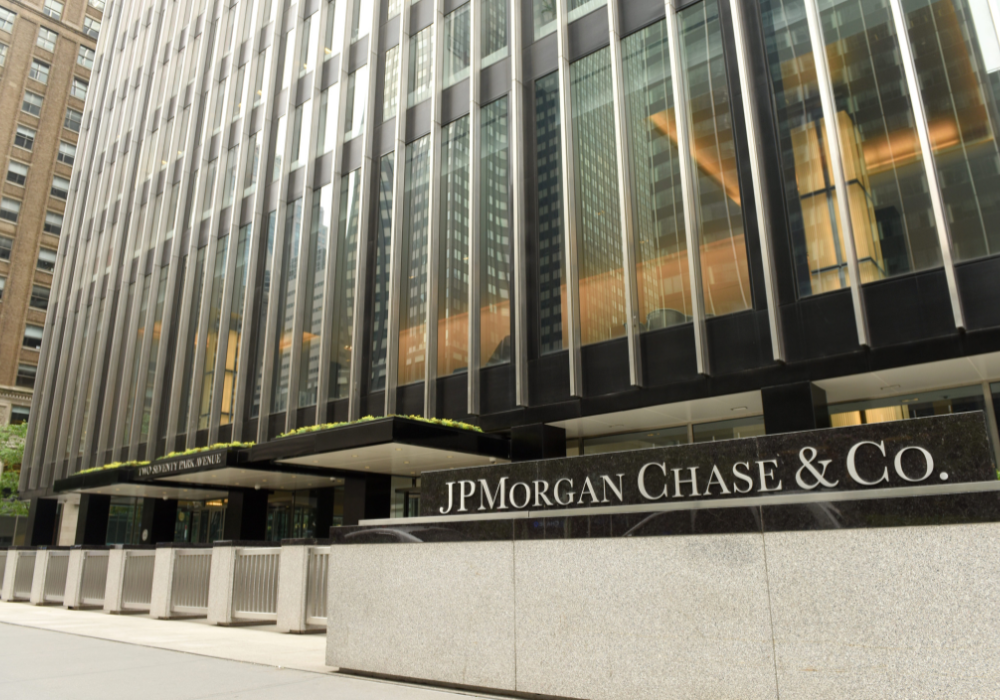
Chinese banks are in the midst of a massive coal-industry financing boom. This financing – which includes direct lending as well as underwriting of debt and equity – amounted to about 60% of the bank flows to the world coal industry last year, according to Urgewald data released last week. Chinese banks increased coal financing to $75 billion in 2025, an 8% increase from 2022 when they started ramping up their support to the industry. Between 2022 and 2025, these banks supplied $289 billion in financing to China’s coal sector, nearly two-thirds of the $467 billion in total financing by the world’s banks to the global coal industry (all figures in U.S. dollars).
China’s energy policies remain highly contradictory. Although the country’s electricity demand growth is almost exclusively met by the massive build-out of solar, wind and energy storage capacity, it keeps on building coal plants it doesn’t need and that obstruct the energy transition.
– Heffa Schücking, founder, Urgewald
Most European banks have reduced support for the coal industry, but this has been offset by the explosion in Chinese bank financing, as well as smaller increases by a few banks in the United States, the United Kingdom, Indonesia and South Korea. The Chinese bank financing is exclusively centred on China itself and is being used to build new coal-fired power plants, expand or open new mines, and expand the country’s fledgling coal-to-chemical industry.
The Centre for Research on Energy and Clean Air and Global Energy Monitor estimate that new coal-power-plant capacity of 274 gigawatts is currently permitted or under construction in China. When this capacity goes online in the next few years, it will enlarge China’s existing fleet of 1,245 gigawatts by about one-fifth. Urgewald estimates that an additional 260 gigawatts is in the planning stage, which would expand Chinese coal-fired power capacity by another one-fifth.
Because China is increasing its clean-energy and coal-power generation simultaneously, its coal plants – which provide about 50% of China’s power needs – are running under capacity, supplying power to the grid only about half the time. Wind and solar projects, which generate about 25% of China’s electricity, are curtailing about a quarter of their power. This means that the wind turbines are slowed down or stopped, reducing the amount of electricity they produce.
Wind and solar power ‘wasted’
Climate information service Carbon Brief estimates that China’s carbon dioxide emissions grew 2% in the first three months of 2026 mostly because it used more coal than needed for power and “wasted” newly built solar and wind capacity through curtailments.
In an interview, Schücking says this overbuilding of coal plants is a legacy of severe blackouts that struck China five years ago. “In 2021 and 2022, there were big power outages in China, and there were extreme heat waves and drought and some of the hydroelectric dams were not delivering,” she says. “That put energy security on the map.”
For China, energy security means more than just the capability of meeting peak demand needs. It’s also a national security issue grounded in a goal of reducing reliance on imported oil, which has hit home recently with the rise in oil prices from the closure of the Strait of Hormuz. For many years, China has had a policy of reducing its oil imports, making it less vulnerable to price spikes from events such as the Iran war.
This is one of the drivers of China’s policy to build up its EV and coal industries. By switching to electric vehicles (even while half the energy for them comes from coal-fired power), China can permanently reduce its dependence on imported oil.
RELATED STORIES
The Chinese government also deems coal as an important economic development tool in northern China where the coal industry is centred, and as a feedstock for coal-to-chemical products to reduce dependence on petrochemical imports. The government supports the coal industry by requiring grid operators to make payments to coal-power companies for the capacity they build, along with guaranteed power payments.
Decarbonization and carbon dioxide emission reductions are good for the climate, but China’s energy policy is not grounded in a concern for global warming, as seen from the recent increase in emissions. Nevertheless, in April, China’s new Five Year Plan called for coal power to peak by 2030, which should help to stem any future increases in carbon dioxide emissions.
Still, the Centre for Research on Energy and Clean Air and Global Energy Monitor maintain that China’s energy and national security and economic development policies are delaying the country’s transition to clean power. Schücking agrees. “China’s energy policies remain highly contradictory,” she says. “Although the country’s electricity demand growth is almost exclusively met by the massive build-out of solar, wind and energy storage capacity, it keeps on building coal plants it doesn’t need and that obstruct the energy transition.”
Eugene Ellmen writes on sustainable business and finance. He is a former executive in the Canadian responsible investment industry.
The Weekly Roundup
Get all our stories in one place, every Wednesday at noon EST.