We are not living in normal times. In this volatile new world, Canada has been ducking a flurry of punches, so credit to Prime Minister Mark Carney for wanting to transform Canada’s economy with big-ticket infrastructure projects, the so-called projects of national interest.
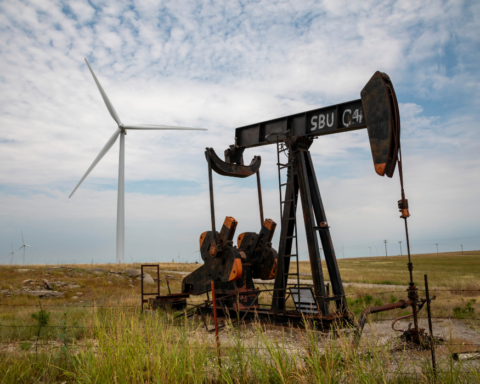
But what if the projects Carney is fast-tracking will not actually make Canada stronger? Most of the energy-related projects of national interest currently on the table for billions in taxpayer subsidies and other support would see Canada further expanding fossil fuels or nuclear energy. Many of these are likely to be terrible investments, further entrenching our economy with inefficient and declining energy platforms – at the exact moment when technological advances are driving many global buyers to rapidly shift their energy systems in the other direction.
Instead of propping up sunsetting industries, we think Canada needs a hard pivot. Our organization Adamant spent this spring working with many smart partners on a vision built around saying “yes”: yes to large-scale, transformative, distributed energy megaprojects. If these projects are supported in the same way as fossil fuel and nuclear megaprojects, they would deliver more jobs, more economic independence and help with affordability – all with less market risk and far less pollution.
Here are five clean megaprojects that are worth building a nation around.
Triple our clean-energy capacity
Imagine paying the equivalent of 25 cents a litre to fill your tank. Imagine your heating bill dropping by half because your heat pump runs on cheap, clean electricity. Imagine hundreds of thousands of new jobs in every part of the country, while Canadian entrepreneurs and factories win global contracts because their products are made with clean power.
All of that is possible, but only if Canada builds enough clean electricity to make it happen. The Public Policy Forum notes that Canada’s power output will need to be two to three times larger by 2050 than it is today and that we need to build more electricity infrastructure in the next 25 years than we built in the previous 100.
Carney’s grid plan announced in May is a good start, but the vision should be more ambitious, it should happen faster, and it should go all-in on clean. First Nations are already showing the way. The Athabasca Chipewyan First Nation in Alberta owns three solar farms. Henvey Inlet Wind is a massive project on Georgian Bay, generating enough power for a quarter-million Ontarians. Almost all of B.C. Hydro’s recent clean-power proponents are Indigenous co-owned. Let’s keep going.
Get serious about energy efficiency
Energy efficiency could be Canada’s most cost-effective economic lever. Building efficiency into our aging buildings and homes would cut energy costs by more than 60% and create hundreds of thousands of jobs. Every dollar invested in energy efficiency produces $4 to $7 in gross domestic product growth, a productivity multiplier larger than virtually any other infrastructure investment category.
With two-thirds of Canadian buildings built before 2000, transforming residential and commercial heating, ventilation and air-conditioning systems is a big undertaking, yes, and will require an integrated approach. But the payoffs are immediate.
The results will be worth it, driving down energy bills while creating up to 200,000 jobs in all areas of the country. Good, local jobs that are tariff- and AI-proof. The question is whether Canada is ready to treat energy-saving innovations as the nation-building priorities they are.
Wire Canada together
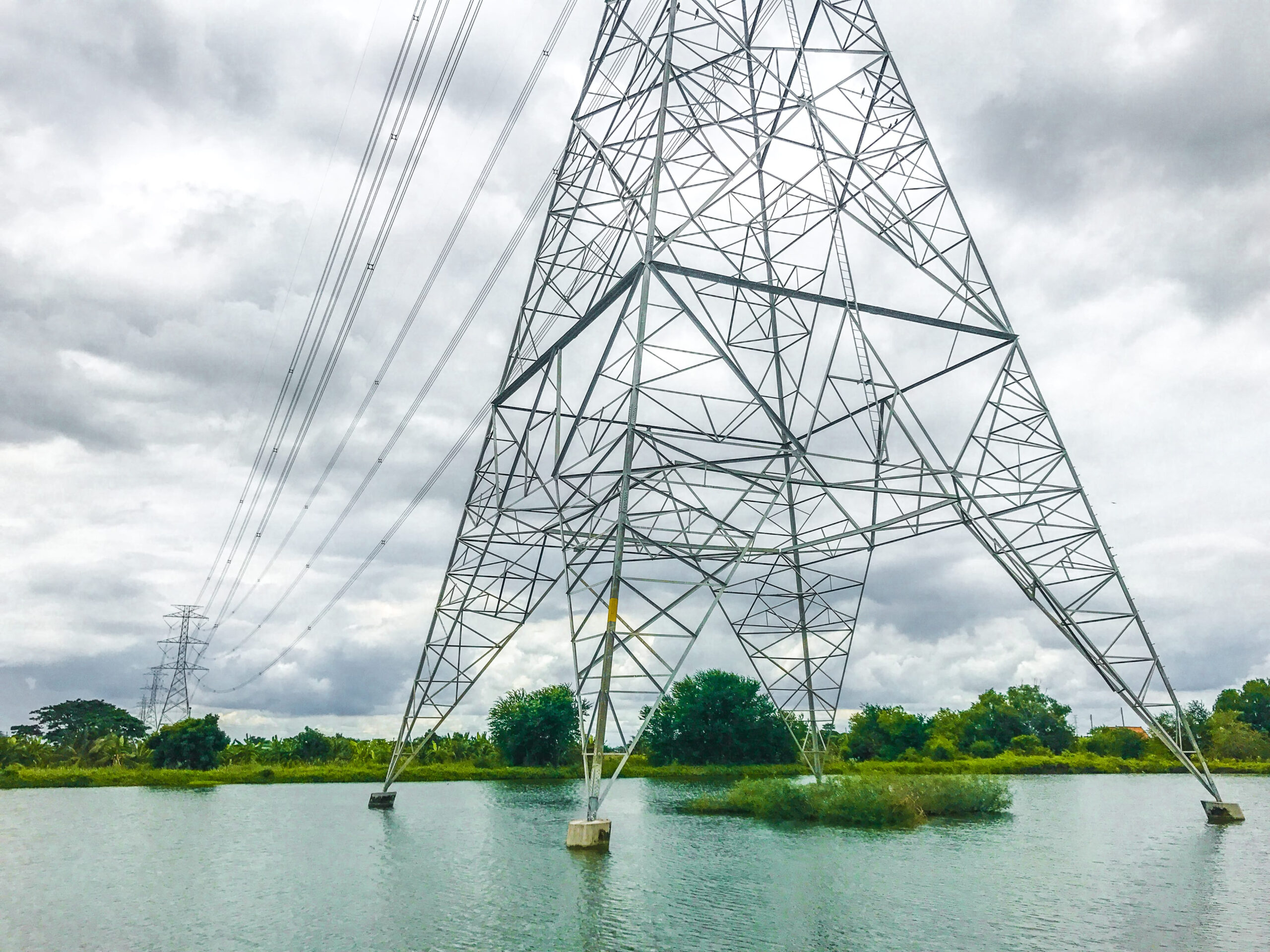
Canada has some of the world’s best wind, solar and hydropower resources, and huge geothermal potential. The problem is that these resources are spread across provinces that don’t have the transmission lines to share them.
Right now, more than 80% of Canada’s electricity trade flows south to the newly unreliable United States, while our own provinces barely trade with each other. This weakens grid reliability and saps local economies.
Wire the country together with new transmission lines and the payoff is real: doubling the B.C.–Alberta connection alone is projected to return nearly $6 for every dollar spent. Nationally, upgrading the grid would create tens of thousands of jobs. The Ontario East–West Tie, a single 450-kilometre line, generated 2,600 person-years of work and more than $200 million in economic benefit, with Indigenous workers making up more than half the crew.
Revolutionize the housing industry
The scale of our housing crisis demands big new ideas. The government’s Build Canada Homes initiative tinkers around the edges, delivering only 26,000 homes over five years, a sliver of the half a million we need every year just to regain some margin of affordability. Here’s something that will: a massive smart-modular-homes industry built right here in Canada.
Canadian workers in regional factories could build 150,000 energy-efficient modular homes per year by 2050. These high-quality, high-tech homes manufactured in worker-friendly conditions are faster and cheaper to build and offer residents permanently low utility bills thanks to innovative energy-efficient technologies – also made in Canada. We could create up to 100,000 jobs and significant affordability benefits for people locked out of today’s broken housing markets.
Fanciful? Sweden already did it in the 1960s, building a million homes in 10 years and turning prefabrication into a national industry that still works today. Japan has produced an average of 150,000 units of modular housing per year since 1995. Why not Canada?
Unlock Canada’s geothermal bedrock
Geothermal is the biggest clean-energy opportunity that most Canadians have never even heard of. We sometimes forget that the earth under our feet is an infinite source of energy. Canada produces today only enough geothermal energy to power a small town, while Europe runs more than 150 geothermal power plants that already supply electricity to 11 million people. That’s on top of another 400 district energy systems that provide direct heating and cooling.
If low-cost, always-on energy isn’t enticing enough, geothermal uses virtually the same drilling skills and equipment as the oil and gas sector. As the technology advances, it is opening up what the International Energy Agency predicts could be a $3.5-trillion industry. Act boldly and Canada could be a global leader in geothermal energy – both as a low-emissions domestic energy source and a booming global technology export industry.
With our abundant clean natural resources, highly educated population and advanced economy, Canada has significant advantages in the global energy transition. Instead of doubling down on the dirty and inefficient energy systems the world is rapidly leaving behind, why not build Canada better? These clean, distributed energy projects will provide more jobs, save Canadians money and align us with the direction the rest of the world is fast pursuing.
Excited? Read our full project plans on the Build Canada Better section of the Adamant website and sign up to use your voice to advocate for better choices from our governments.
Jason Mogus is the chair of Adamant, a new public policy organization promoting smarter economic choices for Canada. Tyee Bridge is a journalist and researcher and a coauthor of the net-zero scenario report Jobs for Today.
The Weekly Roundup
Get all our stories in one place, every Wednesday at noon EST.