The reality of climate change is that two seemingly opposite things are true at the same time: we’re making great progress, and this progress isn’t fast enough.
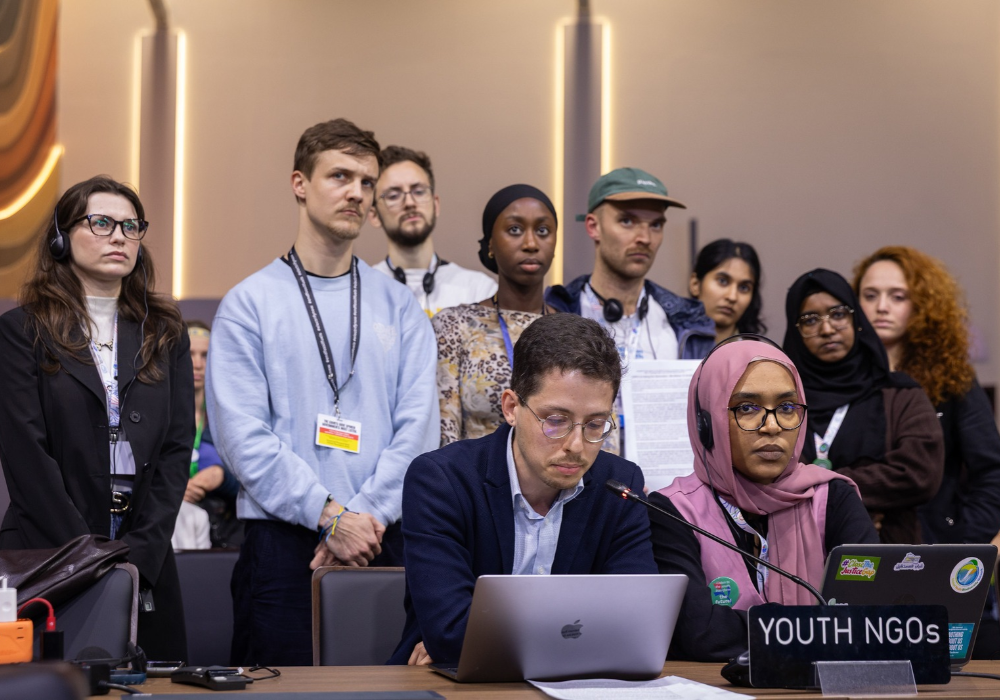
Both of these were on full display at COP31 in Antalya, Turkey, this year. Yes, there was the failure to come to an agreement on a final statement. But to see what I mean you would need to move beyond the headlines – beyond the official negotiations, even – to witness the remarkable and rapid change that is sweeping the global economy.
A discussion with colleagues from South Korea’s climate council, for example, left me awestruck at K-GX, or the Korea-Green Transformation. This new US$750-billion energy transition plan will result in 100 gigawatts of renewable power added to their grid by 2030, more than 70% of new vehicles sold in the country fuelled by electricity or hydrogen by 2035, and innovative strategies deployed to decarbonize heavy industries like steel, cement and semiconductors.
In fact, plans to boost electrification were widespread at COP31, focused around the 35-by-35 pledge to increase electricity’s share of energy use to 35% by 2035: a goal backed by more than 90 nations, including Canada.
More generally, analyses released in the last couple of weeks (COPs always elicit an avalanche of new research) show that global fossil-fuel emissions have plateaued (the oil crisis triggered by the Iran war even nudged these emissions down slightly in 2025, by just under half a percentage point). Emissions in China, simultaneously the world’s largest polluter and the pacesetter in the energy transition, have begun to decline.
And yet: the UN Environment Programme just reported that the aggregate of contemplated global action still puts us on track for nearly 3°C of warming by the end of the century, with – at least in the short term – warming greater than 1.5°C, the agreed international target, being inevitable. This is a scale of climate change that would be disastrous to the planet and to human society. It simply can’t be allowed to happen.
Greenhouse gas emissions are cumulative, and so are the impacts that they have on the planet’s – and Canada’s – climate. Every tonne of emissions avoided today compounds in benefits tomorrow and the day and the week and the year after that. The faster we act, the more it will temper the climate disasters we will collectively face in the years to come. This cumulative impact also means it’s much cheaper to cut that tonne of emissions today than it will be in 2035 or 2050.
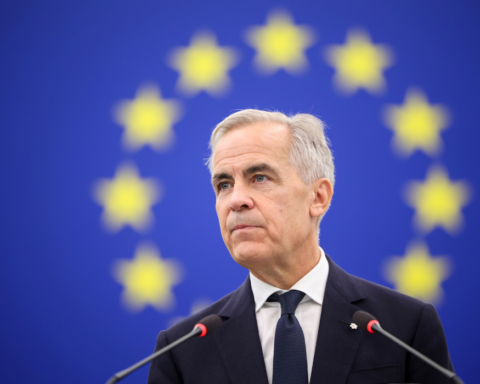
Here in Canada, ambition on many public policy files is becoming a hallmark of the Carney government. Canadians have become accustomed to seeing the prime minister’s prodigious work ethic produce a steady stream of impressive announcements: doubling exports to non-U.S. partners, boosting defence spending to 5% of GDP, and ending homelessness, all by 2035.
We now need to see similar ambition being harnessed in the realm of climate change policy. At the moment, the Canadian government’s climate change approach is characterized by promises from the prime minister that the government has yet to put the legs under in terms of enabling detail.
Last week, the Canadian Climate Institute launched a suite of new indicators to track Canadian climate progress. Many of these, including ones the federal government has named as priorities, are not progressing fast enough. Canada’s current state of electrification, for example, is just 25% of final energy demand, and that share has actually declined in the last year. For domestic electrification to align with Canada’s support for the new 35-by-35 global goal will require serious and sustained effort.
From the Major Projects Office to new trade deals sealed with governments from Brussels to Manila, the federal government has shown that it can move fast, aim high and build big. It might be the most ambitious government Canada has seen so far this century. It must bring at least as much ambition to its climate goals. And it must act fast.
Rick Smith is president of the Canadian Climate Institute, and just returned to Canada from COP31.
The Weekly Roundup
Get all our stories in one place, every Wednesday at noon EST.