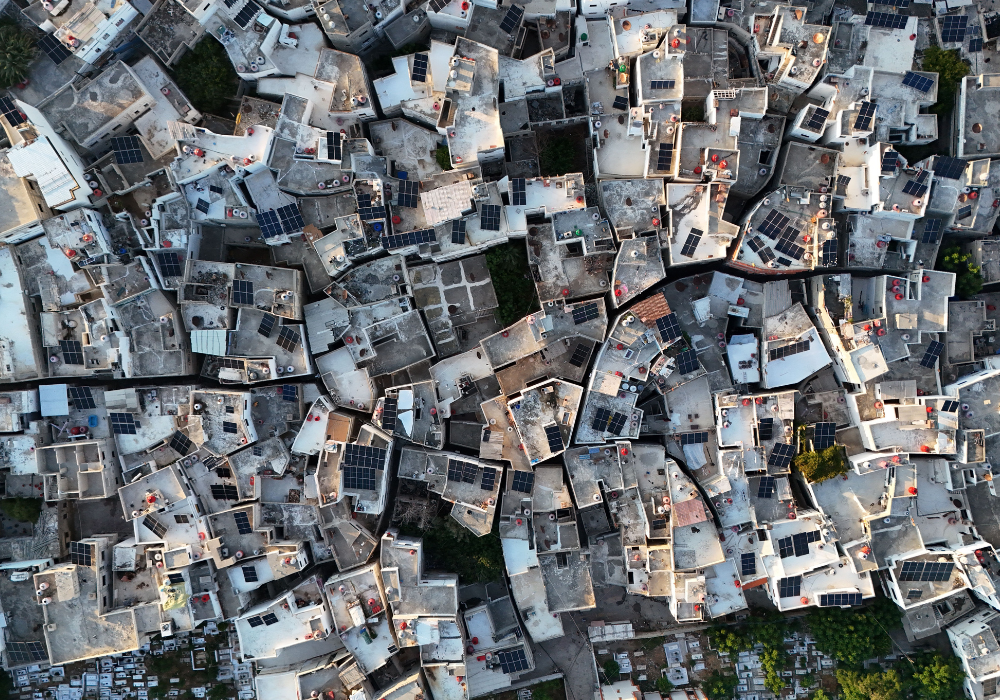
In a remote farming village in Syria, 24 households pay just US$0.20 a month for round-the-clock power.
Villagers began rebuilding Khirais, Syria, in 2021. But after years of armed conflict, which left the area badly damaged, they faced an energy shortage, with electricity running just an hour a day. Refrigerated food spoiled, children could not study after dark and local producers could no longer rely on basic electrical equipment.
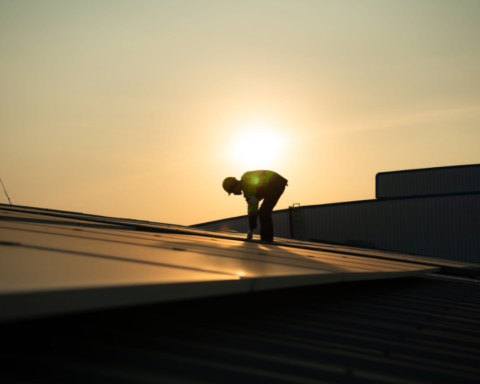
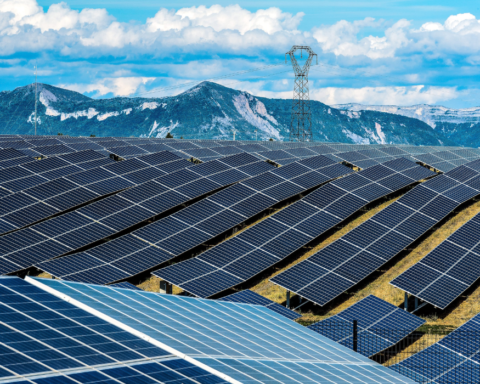
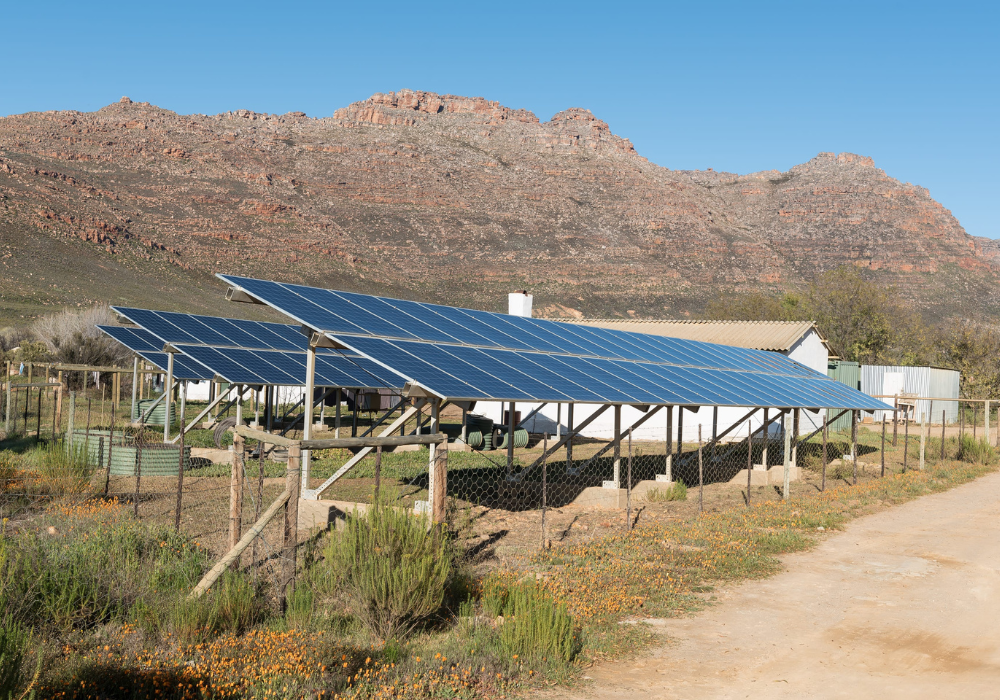
Then, a regional nonprofit stepped in to help. Today the village is powered 24/7 from panels bolted to their community centre. The system powers lighting, refrigeration and essential appliances, supporting a revival of the village’s agricultural economy.
But Khirais is not a feel-good outlier. It’s a small project with larger implications. It shows what locally organised solar can provide when public grids, state budgets and conventional energy finance fail: not merely electricity, but continuity of daily life, income and essential services.
Khirais’s experience raises questions about areas that are under reconstruction not just in Syria, but beyond. When communities build energy systems because formal systems collapsed, can public policy and finance build those improvised assets into a sustainable and equitable recovery?
Energy resilience in fragile conditions
More than 80% of the estimated 800 million people worldwide without electricity live in “fragile” and conflict-affected settings, according to the Council on State Fragility. These areas are likely to account for a significant share of future electricity-demand growth, but financing in these regions is scarce. In 2025, the Green Climate Fund approved only around US$500mn for fragile and conflict-affected states, out of a record $3.26bn in new project approvals – roughly 15%.
The Council on State Fragility argues that “fragile” areas need systems that are “resilient in the face of conflict and uncertainty” as well as affordable and environmentally sustainable. Distributed renewable energy systems are small, local sources of clean energy, such as rooftop solar panels, small wind turbines and mini-grids, that generate and distribute power close to the people and businesses using it. They can operate alongside the national grid or independently when the grid is unavailable. Such systems can “disperse risk”, reducing dependence on a small number of generation plants, fuel supply lines and transmission corridors.
If energy becomes unaffordable, people can take it in their own hands.
– Shafiqul Alam, analyst, Institute for Energy Economics and Financial Analysis
This is not an argument against public grids. The International Energy Agency (IEA) says grids are “essential for bringing power to industry, citizens and services”, and are a key source of flexibility as power systems integrate renewables. “Microgrids and storage will complement, but not replace, grid development,” it adds.
That distinction matters in Syria: grid reconstruction will take years, while distributed solar, batteries and local networks can provide a bridge: keeping critical services such as water pumps and businesses running in the meantime.
Evidence from Myanmar reinforces this point. One study of a solar-and-battery system in Yangon found that decentralised solar photovoltaic (PV) and storage could provide “meaningful energy resilience in fragile-grid contexts.” The system supplied 47.1% of annual electricity demand, and solar PV plus storage covered around 77% of its highest-demand hours.
Self-installed solar in Syria
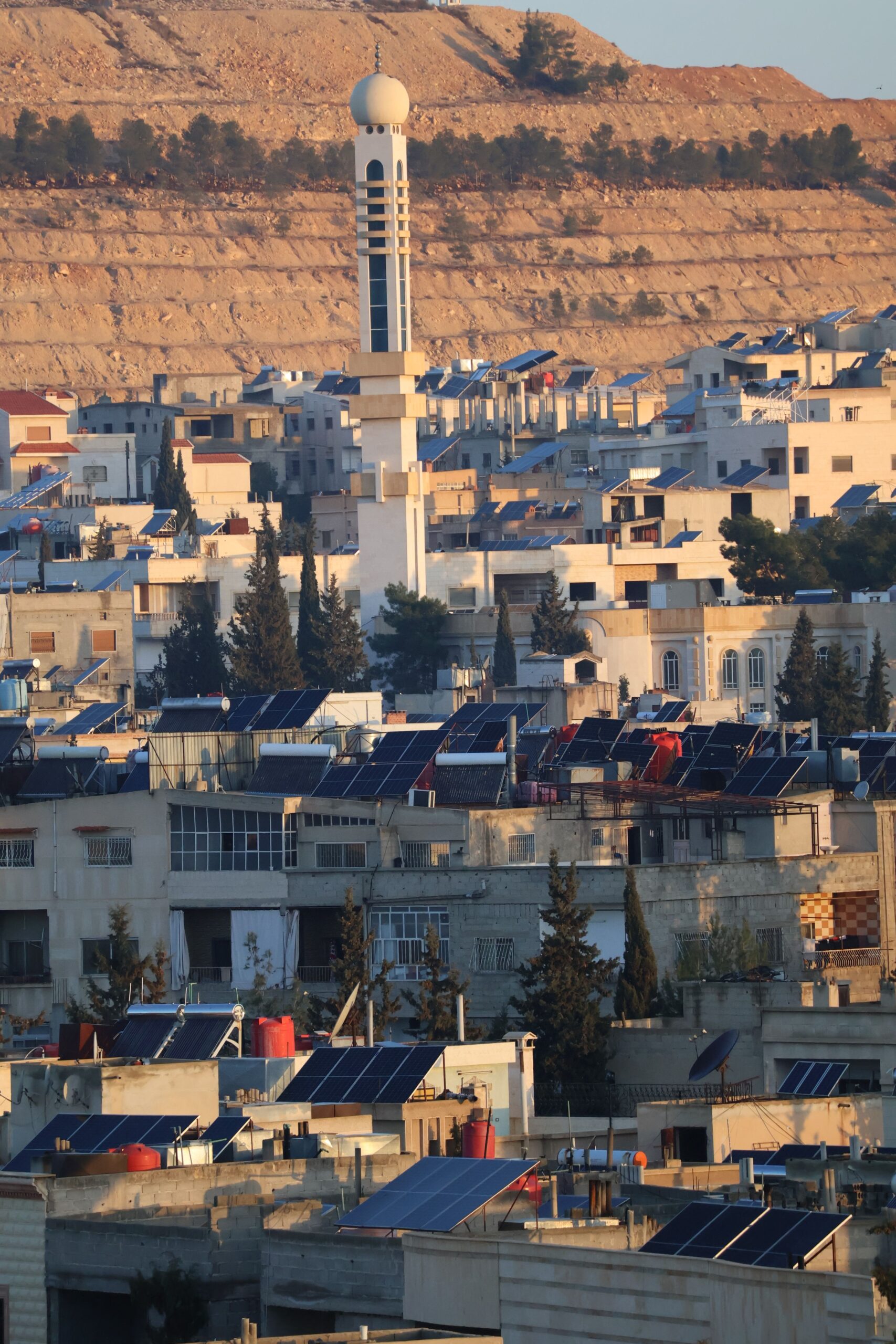
Before the armed conflict, Syria had around 9.5GW of installed generation capacity. By the end of 2023, available capacity was at about 1.6GW, leaving millions of people with less than two hours of public electricity each day.
Into that vacuum came self-installed solar. The scale of Syria’s off-grid solar economy remains uncertain because much of it is privately financed and unregistered. Industry estimates suggest nominal capacity rose from around 250MW in 2022 to more than 2GW in 2025. Some estimates indicate that roughly one-quarter of households use solar equipment to manage outages.
These figures must be taken with a grain of salt. Nominal panel capacity is not the same as actual power available to the public system. Yet the overall direction is clear: Syrian people have built a substantial amount of decentralised, renewable capacity not chiefly as an environmental choice, but because they had few alternatives.
“If energy becomes unaffordable, people can take it in their own hands,” Shafiqul Alam, lead analyst for Bangladesh energy at the Institute for Energy Economics and Financial Analysis (IEEFA), told Green Central Banking.
One study found that a 1% increase in conflict intensity in Syria was associated with a 9.71% increase in renewable-energy production in the short term, mitigating the effects of the energy crisis in Syria.
This is not evidence that conflict creates a green transition. It is better read as an indication that grid damage and fuel scarcity strengthen demand for power generated closer to where it is consumed.
“Distributed systems can be built fast, very fast,” says Alam. Rebuilding grid connectivity, by contrast, “will take time, a lot of time.”
That timing gap makes decentralised solar strategically useful. Alone, it cannot power the economy at national scale, but it can support the activities from which recovery begins: irrigating farmland, maintaining communications, powering shops and enabling small-scale food processing and light manufacturing. Or in one case, powering electric vehicles used for medical aid at just a fraction of the price a conventional fuel vehicle would cost.
The risk of a two-tier system
Despite its lowered cost, not everyone in Syria has access. Syria’s solar boom has created an unequal energy market shaped by access to foreign currency, remittances and upfront capital.
The households best placed to buy panels were often those “being paid in wages priced to the dollar, primarily, because this stuff was all imported,” says Hayley Schuler-McCoin, senior research fellow at energy think tank Carboun Institute, whose work examines international finance, economic policy and geopolitics in the ecological transition in south west Asia and North Africa.
International NGOs and households with “strong remittance networks” were also better able to absorb the upfront cost. Those without either, she says, were “still largely … limited to diesel generators and fuel or going without.”
In the Syrian context, “thousand-dollar startup costs are huge,” and likely to be prohibitively expensive even when low-income communities pool their resources. Batteries, maintenance, replacement components and poor-quality equipment in an inadequately regulated market can add to the cost and risk.
Neighbourhood systems can help, but it should not be assumed households can sustain a monthly payment. Some people, Schuler-McCoin says, may prefer to purchase one hour of generator power when needed rather than commit to a subscription they may not be able to afford reliably.
Without careful planning, decentralised solutions risk creating a two-tier energy system. Families with dollars, remittances or suitable rooftops can buy a degree of resilience and reduce their exposure to diesel price volatility. Those without may remain dependent on expensive generators, rationed public supply or no dependable electricity at all.
The same risk applies to larger commercial and agricultural investments, Schuler-McCoin says. She stresses that if a factory or agricultural site develops solar with public or concessional finance, it should be “paired with” provisions for “the adjacent neighbourhoods.”
Without such power-sharing arrangements, “disparities are going to become even more stark.”
The lesson from Bangladesh
For Alam, these dynamics make the design of finance crucial. He points to Bangladesh’s Infrastructure Development Company Limited, which combined capital subsidies with delivery through local partner organisations, rather than relying only on conventional commercial lending.
While some central banks have implemented refinancing schemes to help increase financing for green projects such as solar, Alam cautions that these schemes have sometimes been poorly suited to serve small household systems. Commercial lenders must make the loan first and only then seek refinancing; “it’s a delay,” he says. The process can also exclude borrowers with insecure incomes, limited collateral and no formal credit history.
For these groups, “a capital subsidy, part of the cost” can make a system affordable. Credit guarantees, pre-financing and local lending intermediaries can also address a basic barrier: for small borrowers, “banks don’t know the credit profile.”
The lesson is not that Syria should copy Bangladesh’s model one-for-one. It’s that household finance must address local realities – affordability, repayment capacity and trusted delivery channels – to be accessible.
A complement to the grid
Above all, Schuler-McCoin argues that reconstruction finance must not fund decentralised solutions at the expense of the grid. “The very immediate issues are going to be getting investors to prioritise the grid and not just the supply of energy,” Hayley says. That means grant funding for transmission and distribution repair, substations, metering, technical standards, maintenance capacity and network flexibility – the less visible investments private capital often avoids.
The World Bank’s $146mn Syria Electricity Emergency Project, which supports repairs to two 400kV interconnectors and high-voltage substations near demand centres and seeks to build sectoral capacity, is an important step. But it will not be enough on its own to restore Syria’s grid.
Related stories
“If there is a net-metering provision,” Alam says, households and businesses with surplus generation “can send back part of it to the grid … they can also earn money.” If properly designed, that could create a more predictable revenue stream for larger household, farm and small-business systems, while reducing the amount of locally generated electricity wasted when it cannot be consumed on site.
Alam does not present this as an alternative, but a complement, to grid reconstruction. “Grid investment, modernisation and flexibility … need heavy investment,” he says. “But distributed systems will help you reduce the cost” in the meantime. By meeting some demand locally while network repairs proceed, distributed systems can reduce the immediate infrastructure burden.
But he cautions that any tariff, pricing structure or subsidy must follow detailed country-specific analysis of electricity prices, household demand, network capacity, generator use, rooftop potential, battery costs and utility finances.
“The first process is to do that analysis,” he says. “Many small systems can make a massive revolution. Now you imagine if there is public support, the multiplier effect could be huge.”
This article was originally published by Green Central Banking. It has been edited to conform with Corporate Knightsstyle. View the original here.
The Weekly Roundup
Get all our stories in one place, every Wednesday at noon EST.