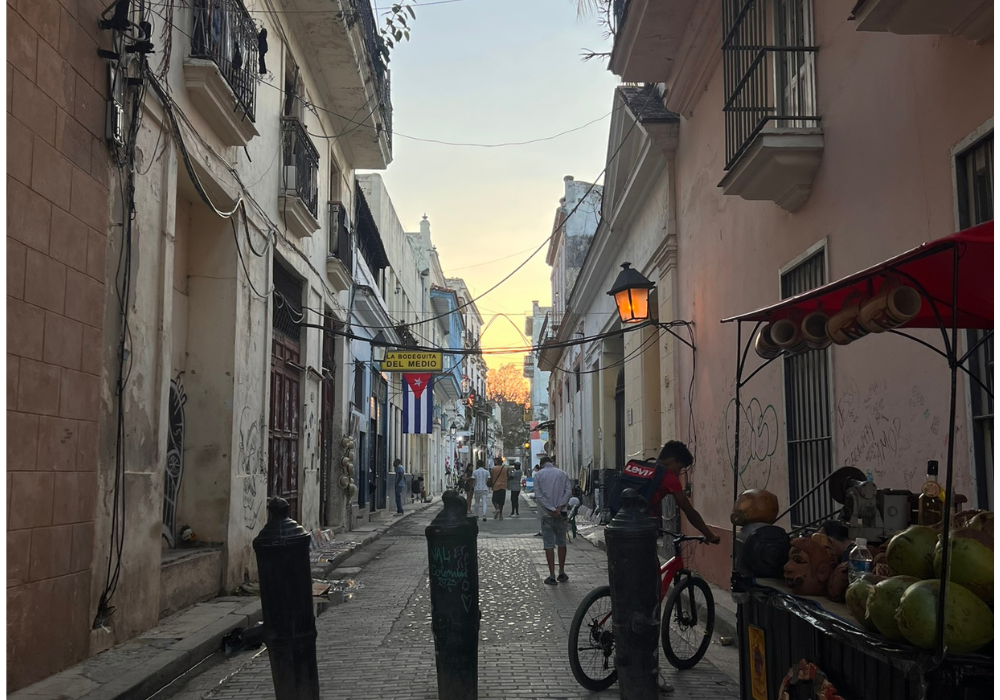
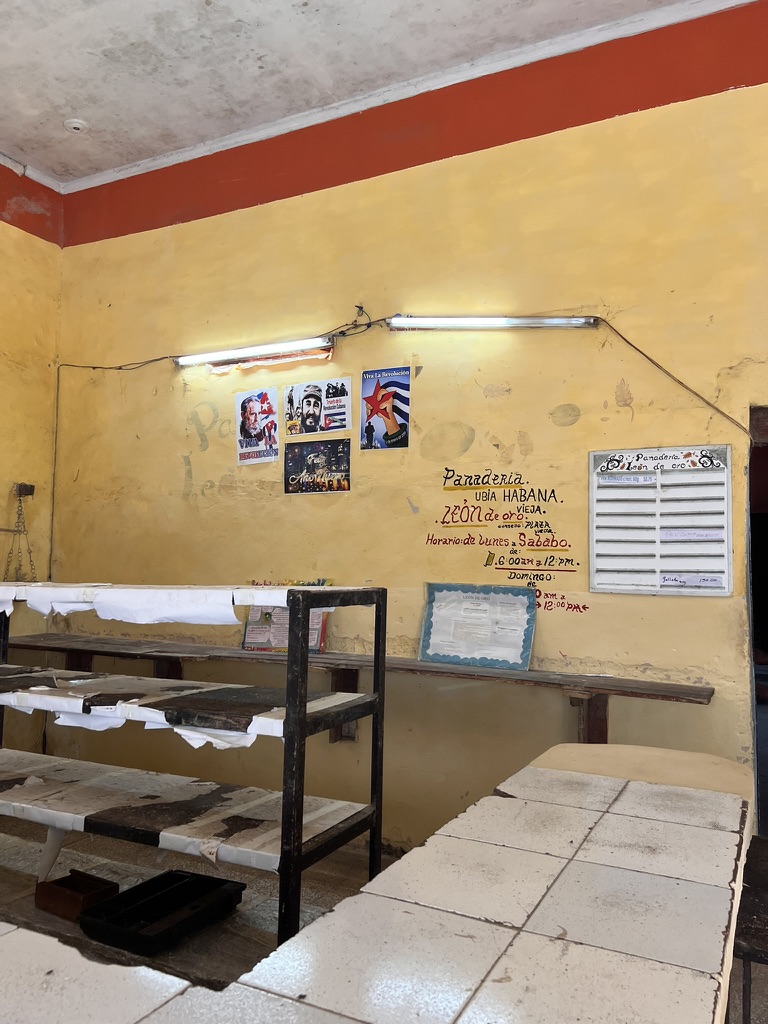
By the time you read this, it’s likely that much of Cuba will be in the dark. The roiling energy crisis, deepened because of a near total blockade by the United States on shipments of oil into the island nation, has become a debilitating mainstay. On Monday, the national electricity grid collapsed, shrouding the entire country in a blackout. At the same time, President Donald Trump predicted that he would have the “honour of taking Cuba” during a meeting with reporters at the White House. “I could do anything I want with it,” he said. “They’re a very weakened nation right now.”
Cubans have been navigating chronic blackouts for years. A routine built around flickering light has created a sort of collective muscle memory for the country’s inhabitants. “They turn the electricity on at 7 a.m., and they turn it off at 1 p.m.,” says Ramon, a vegetable delivery worker who lives in Güira de Melena, 50 kilometres from Havana. “They turn it back on until 10 p.m… It’s a fixed cycle.”
This power-supply free fall has also expedited the energy transition. In the midst of a crisis, the renewables lifeline appears, albeit incrementally.
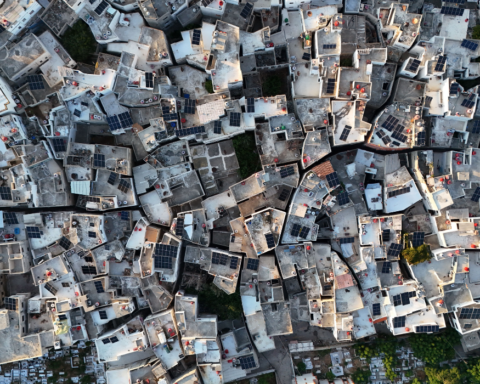
The stranglehold on oil shipments has placed renewed emphasis on a plan to transition to renewable energy. At the start of 2025, just 4% of Cuba’s electricity came from renewables. By the end of this year, that is supposed to jump to 17%, according to Ramses Montes, director of national energy policy and strategy at the Cuban Ministry of Energy and Mines. China has been donating thousands of solar panels to Cuba, as part of its Belt and Road Initiative. Brazil sent 300 solar panel kits in 2025, and a new activist-led campaign is raising funds to install the equipment in schools.
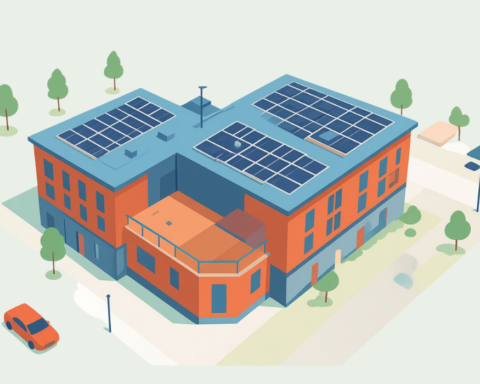
In March, Cuba’s Communist Party announced via Granma, its official newspaper, that it would soon begin installing 5,000 panels donated by China, following another major blackout that plunged two-thirds of the country into darkness. Half of the panels will head to maternity homes, seniors’ centres, hospitals, banks, radio stations and other public infrastructure.
There are about 30 solar fields in operation now on the island, with plans to add 92 more by 2028 with the help of China. But for the average Cuban, who earns around $16 a month if employed by the state, the options are slim. Many people rely on coal or firewood to cook and stay warm. Most Cubans can’t afford to install solar panels, which can cost thousands of dollars. Electric power generators that run on fuel are a more affordable option, but they are noisy and still cost-prohibitive. A 4,600-watt generator uses about 15 litres of gasoline every 12 hours, with each litre of gas costing as much as US$8 on the informal market.
Christa Hernández is among the privileged few who were able to install solar panels last year. At that point, the scheduled blackouts were between two and six hours in Havana. But Hernández, who owns the hostel Kerida and the Cimarrón dance school, could see that the power situation was going to make or break her business. Gasoline generators were too loud. She looked into buying solar panels on Amazon, but her credit card kept getting blocked. Finally, she connected with a friend living in the United States who purchased the panels for her, and then she hired a company in Miami that packed them up and delivered them to her doorstep in Cuba. All the equipment, including batteries and shipping, cost US$12,000.
Our workers come in from their homes already tired, because they weren’t able to sleep, because there is no electricity, there is no water, there is nothing.
— Christa Hernández, business owner in Havana
“We made the switch just in time, because soon after, travel agencies stopped working with hostels that did not have that safety net,” Hernández says. “We’re one of the few privileged people who can invest in this,” she adds. If you don’t have a business, or family who live outside the country, it’s impossible to make the investment.
“The neighbourhood is very dark. When you look outside, you see how few people have light,” she says. “Life is not the same. You go out into a darkened Cuba, where the cost of everything goes up and there is suffering.”
“Our workers come in from their homes already tired, because they weren’t able to sleep, because there is no electricity, there is no water, there is nothing.”
Natalie Alcoba is a Buenos Aires–based journalist and senior editor at Corporate Knights. Berta Reventós is a Buenos Aires-based Latin America correspondent who works for Spanish media and reported from Cuba.