In recent weeks, the war involving Iran has choked off one of the world’s most critical energy arteries. Tanker traffic through the Strait of Hormuz has slowed dramatically, oil prices have surged past US$100 a barrel, and governments are scrambling to stabilize supply. What may feel like a distant conflict is, in reality, an immediate economic shock that Quebec, like every oil-dependent jurisdiction, cannot avoid.
Every shock to global oil markets reverberates here through higher costs, capital outflows and a stark reminder that much of the province’s economy still depends on energy Quebecers do not control.
Yet despite being a major exporter of clean electricity, Quebec still runs an international energy trade deficit of roughly $14 billion each year, which ties consumers and businesses directly to volatile and geopolitically unstable markets.
The old energy paradigm was defined by access to oil. The emerging one will be defined by access to clean, reliable electricity and the ability to deploy it strategically.
– Catherine McKenna and Marine Thomas
This is precisely the vulnerability the clean-energy transition is beginning to resolve. Investment in clean energy reached US$2.3 trillion globally in 2025.
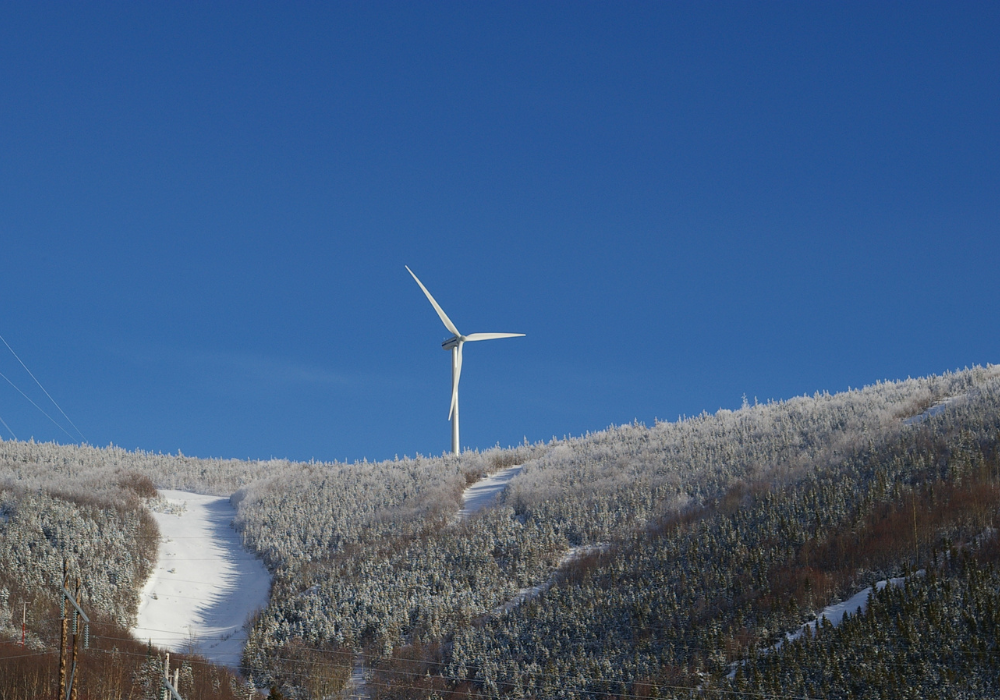
In this context, Quebec stands out. More than 90% of its electricity is renewable: primarily hydroelectric, with growing wind capacity. Forty-two percent of total energy consumption comes from local renewable sources. Few jurisdictions can match this combination of low-carbon, reliable, domestically controlled power.
But advantage is not the same as leadership. Despite its strengths, Quebec is falling behind in the new electric revolution. The share of electricity in its energy mix has been stagnant for 35 years. Oil still accounts for roughly 35% of energy use, with natural gas adding another 17%.
And even with broad consensus across opposition parties, experts, industry and environmental groups, the Quebec government has delayed its emissions-reduction target by five years, pushing it to 2035. Even more concerning, after committing in 2022 to end fossil fuel exploration and production, some politicians are reopening the door to natural gas fracking. This would increase emissions, harm the environment and human health, further expose Quebec to volatile energy prices, and run counter to the economic opportunity of the clean-energy transition.
Quebec should instead invest to fully electrify its economy and lock in its clean-power advantage to deliver real energy autonomy. With clean, affordable electricity that belongs to Quebecers, the province can cut reliance on imported fossil fuels, decarbonize key sectors, grow batteries and green aluminum, and export clean power while generating revenue at home.
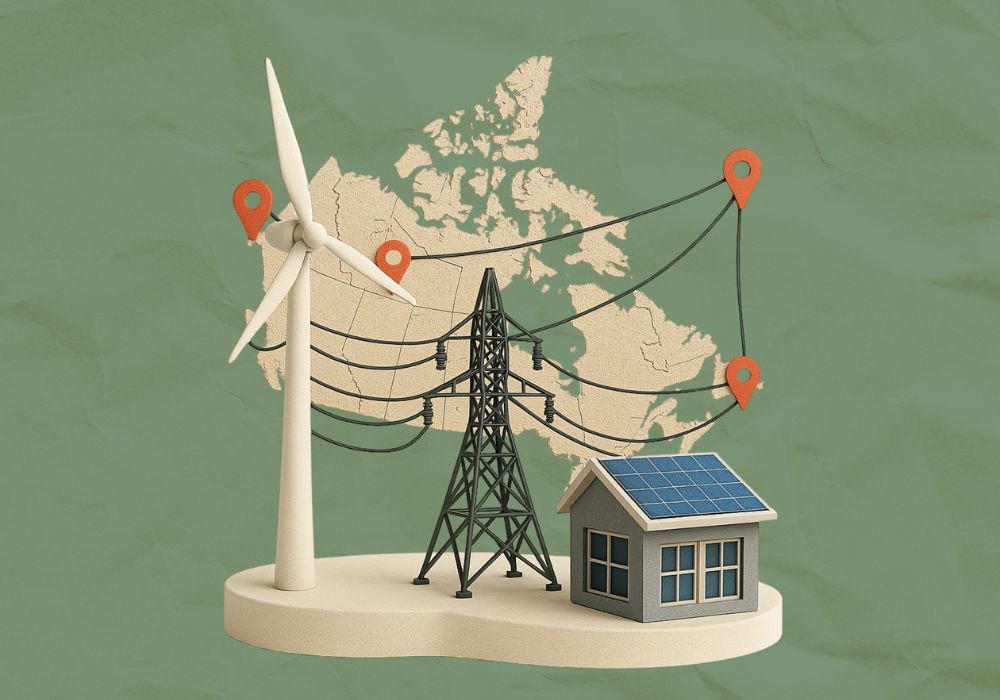
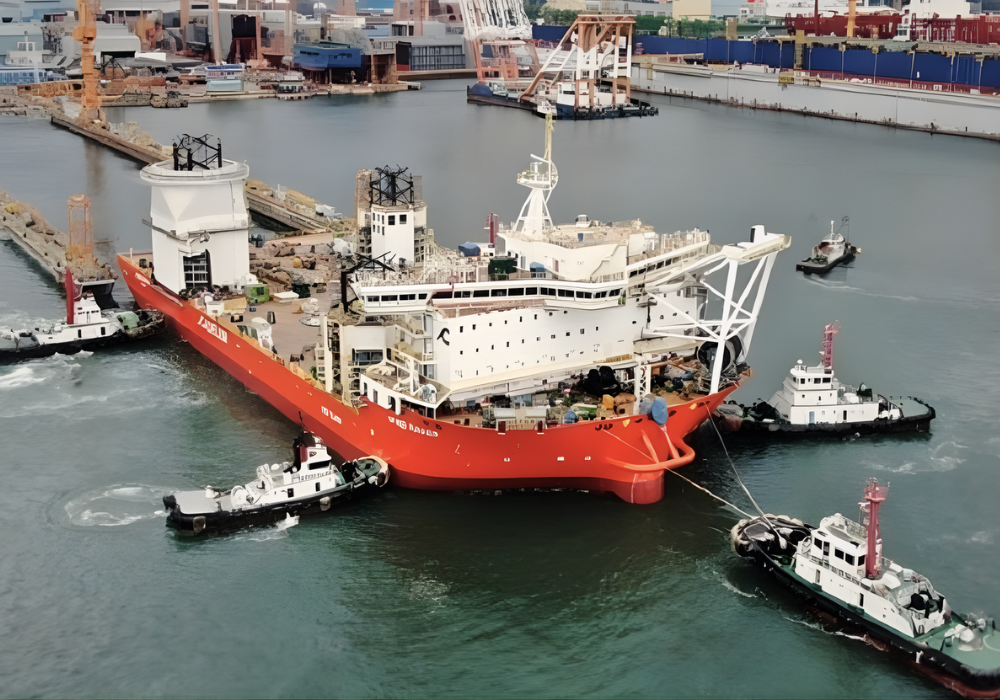
At the same time, expanding clean power is not straightforward. Building new hydro and wind capacity will require sustained partnerships with Indigenous Peoples and local communities – not just consultation, but shared ownership and benefits. It will require major investment, faster permitting, new transmission infrastructure and potentially deeper interprovincial collaboration, including offshore wind development in Atlantic Canada linked to Quebec’s grid. These are complex challenges, but they are now the central constraints on growth.
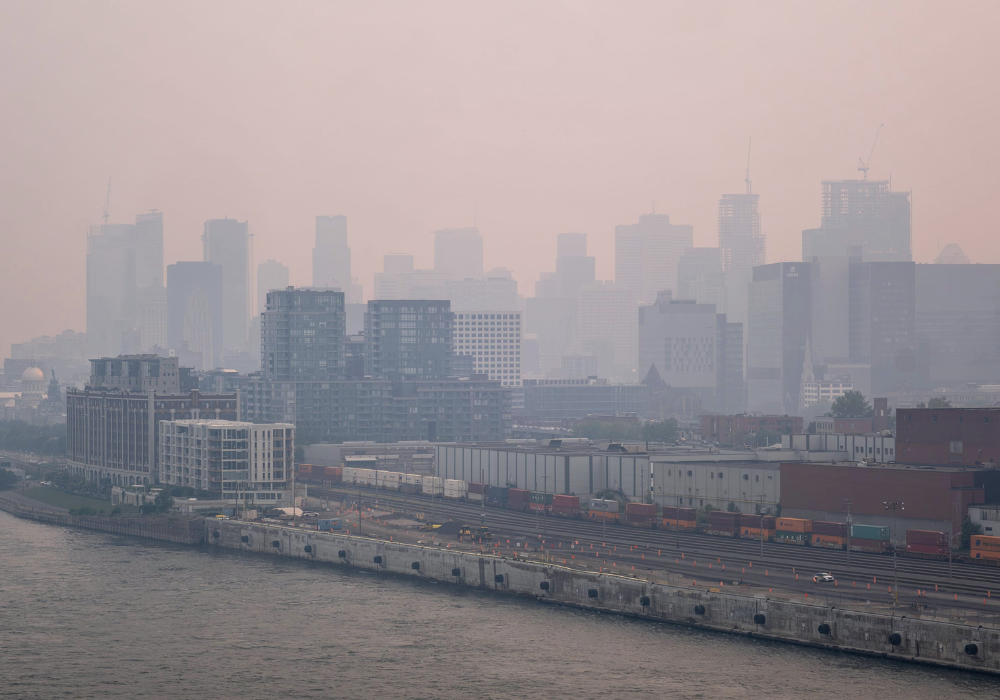
Montreal already offers a glimpse of what a more strategic approach could look like. It is emerging as a hub for climate, technology and finance, with strengths in low-emission aluminum, batteries and electrification, but these pieces are not yet fully aligned.
RELATED STORIES
The old energy paradigm was defined by access to oil. The emerging one will be defined by access to clean, reliable electricity and the ability to deploy it strategically. Quebec has everything needed to become a global clean-energy superpower.
Recent events in the Middle East are a reminder of the costs of the old system. These include geopolitical shocks, volatile prices and external dependence. The new system offers something different: affordability, stability, sovereignty and enduring economic advantage. But it is also competitive. Jurisdictions that move decisively will capture investment, talent and supply chains. Those that hesitate will import the industries others build.
Quebec is unusually well positioned for this shift. It has abundant renewable electricity, critical minerals and industrial capacity and a strong research ecosystem. What it lacks is not public support or natural advantage, but ambition, strategic clarity and speed.
The window is open. But not for long.
Catherine McKenna is the CEO of Climate and Nature Solutions, the founder of Women Leading on Climate, and a former federal minister of environment and climate change and minister of infrastructure.
Marine Thomas is directrice générale at Partenariat Climate Montréal.
The Weekly Roundup
Get all our stories in one place, every Wednesday at noon EST.