The World Health Organization is pushing COP31 negotiators to put public health at the centre of climate action, underlining the need to address premature deaths and ill-health caused by both the root causes and consequences of climate change.
“Health is the human face of climate change,” WHO Director-General Tedros Adhanom Ghebreyesus told health ministers on the first day of COP31, named Health Day, in Antalya, Turkey. The same day, UN Climate Change Executive Secretary Simon Stiell echoed the characterization, calling climate change “a global health crisis of pandemic proportions.”
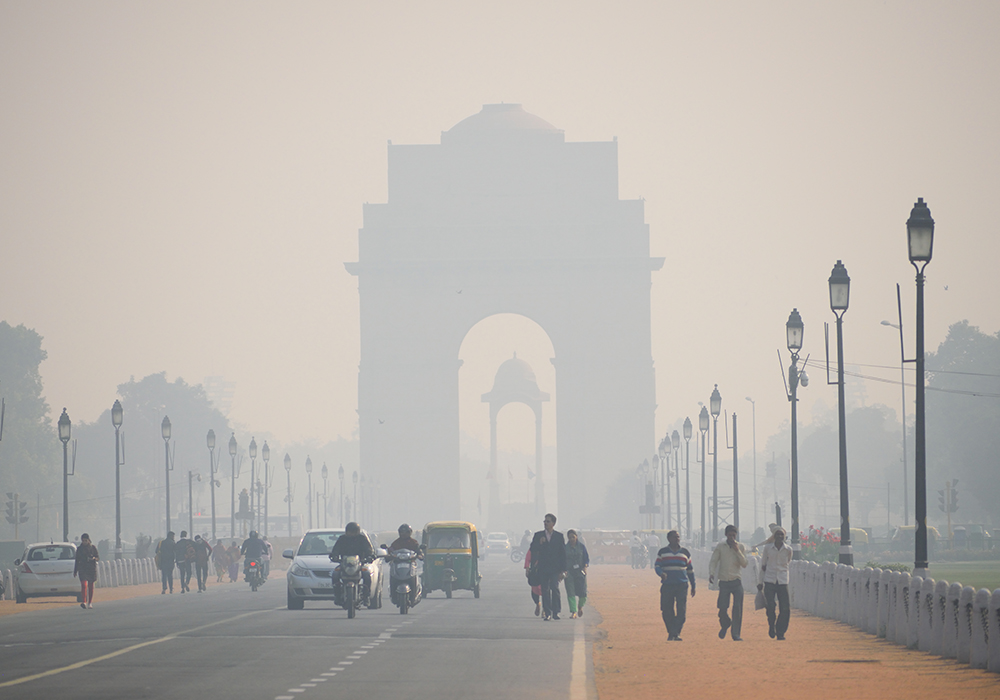
Tedros reminded the roundtable participants that “air pollution, much of it from burning fossil fuels, kills around seven million people a year.”
Fine particulate matter, or PM2.5, accounts for more than 90% of global premature deaths caused by air pollution, according to the World Bank. The minuscule particles measuring 2.5 microns or less in diameter are so small that they can be inhaled deep into the lungs, contributing to heart or lung disease. PM2.5 comes from vehicle exhaust, power plants and industrial processes. Wildfire smoke is also a source of PM2.5.
Cutting emissions can reduce deadly air pollution, but adaptation is needed to protect people from the climate-driven extreme weather events they already face. WHO says heat stress can lead to heat stroke and worsen cardiovascular disease, diabetes, asthma and kidney disease. Heat was linked to a record 710,000 deaths worldwide in 2023, more than 70% of them attributable to human-caused climate change, according to the Lancet Countdown report.
David Miller, managing director of C40 Cities and a former mayor of Toronto, echoes WHO’s warning, noting that cities are already bearing the brunt of this health crisis. “Climate is a public health issue, and cities are dealing with the consequences now.”
The case for investment
The first dedicated Health Day at a UN climate summit, held at COP28 in Dubai in 2023, marked a growing international focus on the public health impacts of climate change. This year, the push is going beyond the roundtables and meetings. WHO’s Tedros wants health concerns to appear in the final negotiated text of COP31, while also suggesting health should become an explicit eligibility area for climate finance.
Tedros went on to make the economic case for investing in health and climate initiatives. He referenced a new WHO analysis that found that six priority climate-health actions could save 1.6 million lives a year, while five would return around US$24 for every dollar invested. Those actions include cleaner household fuels and efficient fossil-fuel pricing, which curb fossil-fuel use and address upstream causes of climate change. Other measures recommend heat-health warning systems and climate-resilient water and sanitation services, targeting downstream consequences of climate change.
Most of the lives saved, however, about 1.2 million a year, would come from reforming fossil-fuel pricing. Such mitigation policies – reducing the sources of air pollution largely coming from fossil-fuel consumption – are important as the 2015 Paris Agreement’s target now appears out of reach. Indeed, former U.S. climate envoy John Kerry warned that the goal of limiting human-induced global average temperature increases to 1.5°C above pre-industrial levels is being missed. At COP31, Kerry told delegates that the world burned more fossil fuels last year than in any year in human history and is now heading toward 2.8°C of warming.
So while adaptation measures are increasingly needed to bring relief from the consequences of climate change, targeting the causes of climate change behind all those deadly weather events will be key to preventing the death toll from getting even worse.
So far, health impacts are included in COP31’s November 16 draft overall agreement. The temporary text addresses downstream adaptation and resilience – “climate-sensitive diseases such as malaria, dengue and cholera, heat stress, maternal health, food and nutrition insecurity and damage to health facilities during extreme events” – while also mentioning the importance of “clean cooking” for indoor air quality and “improved public health and quality of life, inter alia through integrated climate and clean-air action.”
Miller reinforced the need to adapt to the consequences of climate change, especially in cities, but mitigation remains key to preventing even worse outcomes. “We have to cope with the consequences of climate change, like extreme heat; bigger, hotter and more destructive wildfires; and extremes of flooding – there is no choice. But prevention – stopping further breakdown and trying to reverse the overshoot – is the most critical thing we can do to save lives and prevent significantly more serious problems.”
Charles-A. Rouyer is a Toronto-based freelance journalist who specializes in urban health, health, and environment and sustainability.