A paid-media partnership with WWF-Canada.
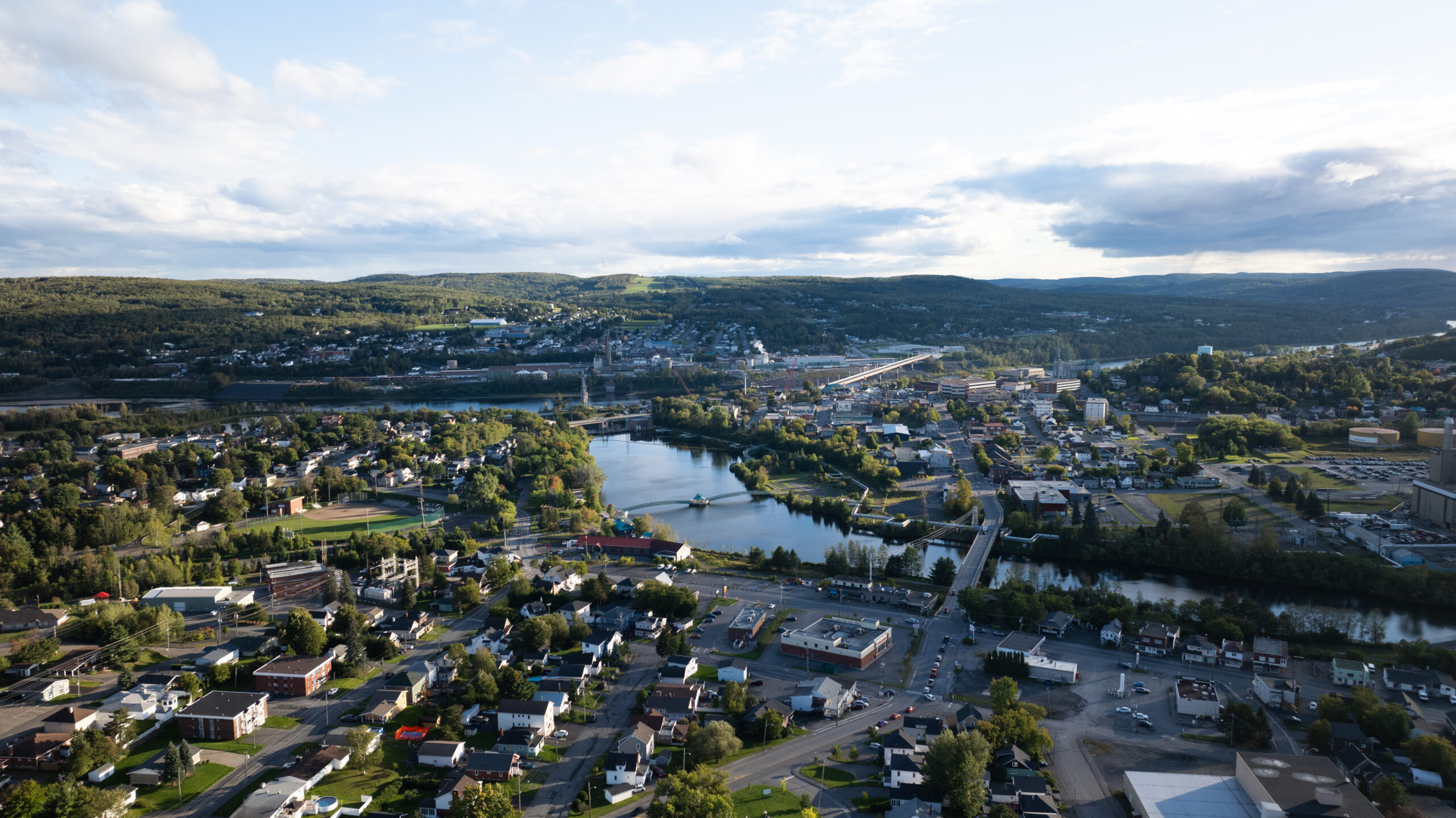
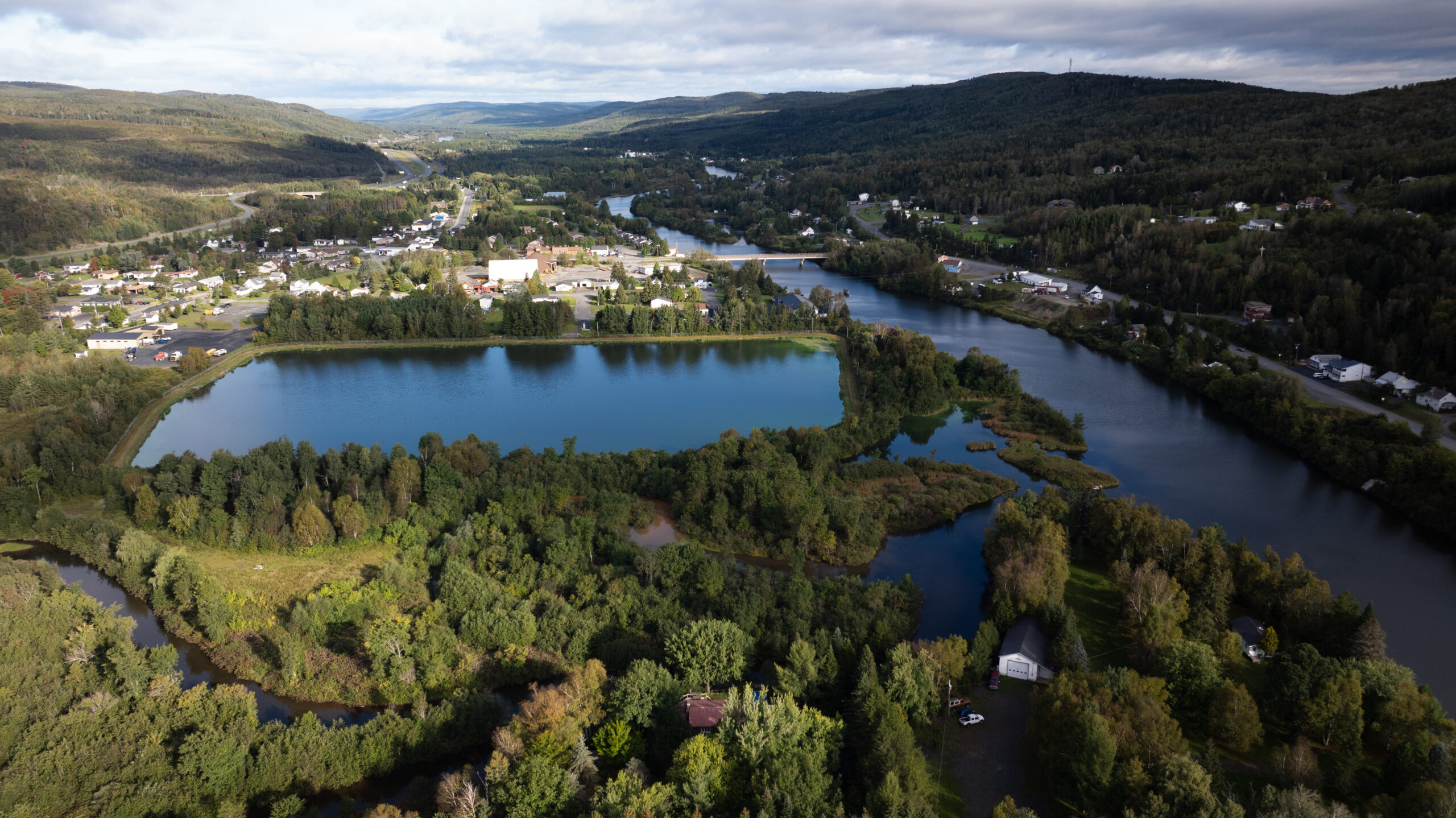
The Wolastoq, also known as the Saint John River, is a nearly 700-kilometre waterway that winds from Quebec and Maine to the Bay of Fundy in New Brunswick. It’s home to several species at risk: wood turtles nest by its shores, pygmy snaketail dragonflies buzz on the water’s surface, and wild Atlantic salmon swim upstream. It’s easy to see why its name means “beautiful and bountiful river” in the language of the Wolastoqiyik, or the “people of the beautiful river.” The river is central to their identity and culture.
But in the Wolastoq watershed and the cities and towns it sustains, the impacts of increased industrialization and the changing climate are felt deeply. Today, the river is crisscrossed by roads and rail lines, disrupted by large hydroelectric dams, and bordered by farms and shoreline real estate that often run right up to the water’s edge. As a result, the Wolastoq has lost much of its ability to absorb surges in water levels during winter snow melts and heavy spring rains. Surrounding communities are forced to battle intense flooding when the river jumps its banks, causing costly damages. In 2019, record-level flooding carried $93.2 million in damages, and thousands of residents were forced to evacuate. Severe flooding occurred again in 2023, and the province is bracing itself for more to come in 2026.
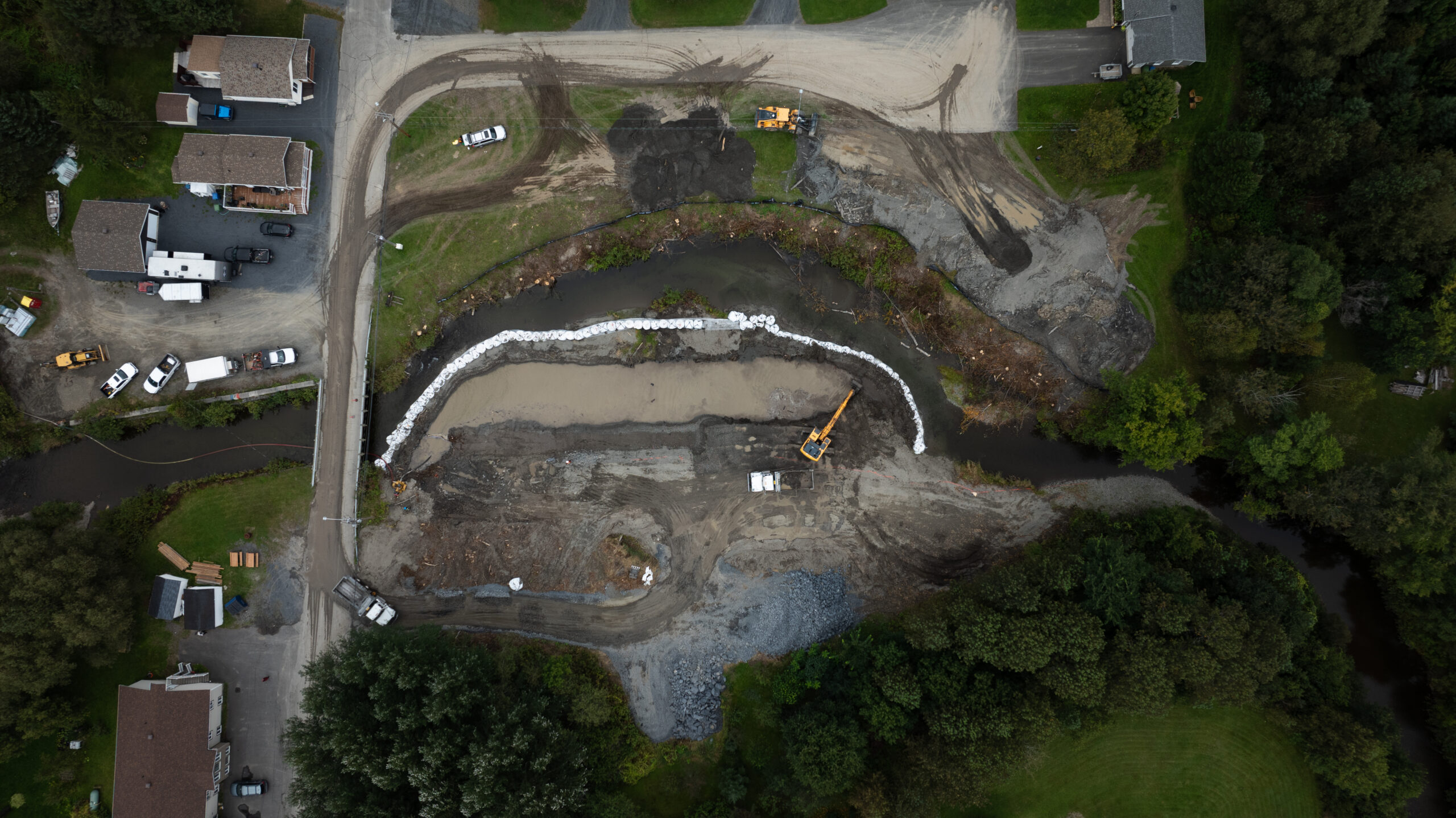
Restoring ecosystems along the Wolastoq – such as by planting trees, working with farmers to restore degraded agricultural sites by riverbanks, and increasing waterside vegetation to rehabilitate floodplains – could be key to a multi-layered solution. To make those opportunities a reality, WWF-Canada and Wawanesa Insurance, a national mutual insurance company headquartered in Winnipeg, have teamed up in supporting local partners to help the river better absorb and slow water currents during extreme events, enhancing flood protection and other forms of natural resilience.
Investing for impact
For Wawanesa, which has a strong membership base in New Brunswick, the Wolastoq is a logical place to focus part of its annual $2 million investments in climate resilience throughout Canada. Wawanesa partnered with WWF-Canada because of its proven track record, strong technical expertise and deep relationships with local experts and community members, says Mitch McEwen, the insurer’s director of sustainability, climate resilience and community impact. “Our contribution is bringing the focus on reducing climate related losses,” he adds.
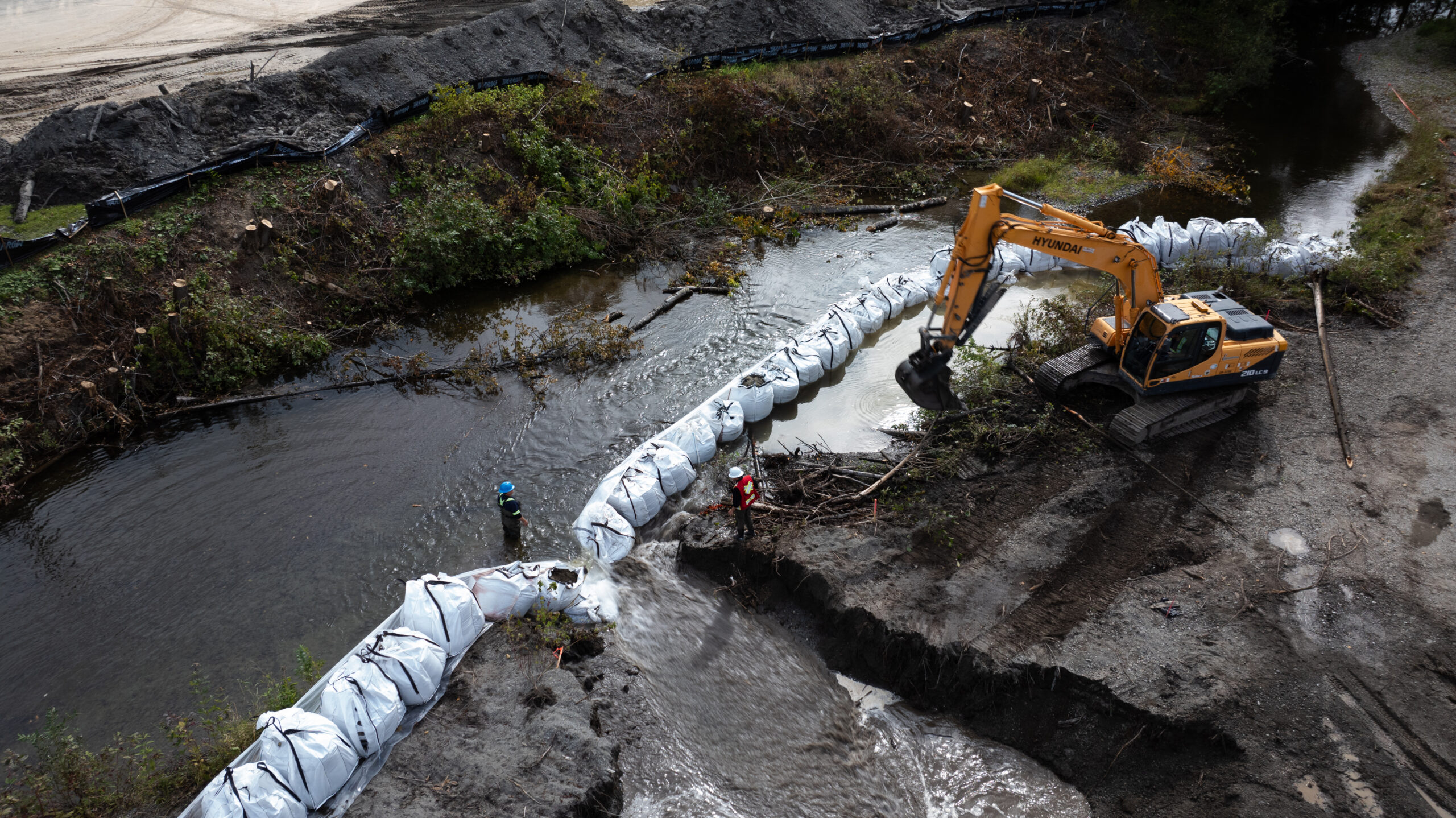
In New Brunswick, through their partnership with Wawanesa and others, including government and private foundations, WWF-Canada supports on-the-ground experts to identify local restoration projects with the highest impact both for people and nature.
In the town of Edmundston, which experiences flooding year after year, this funding enabled project design and site assessments for floodplain restoration work with broad community support.
aquatic species that maintains floodplain biodiversity through
seed dispersal.
“We’re using nature-based solutions like planting native trees and shrubs to mitigate flood risk and deliver several environmental and social benefits,” says Stéphanie Paradis-Léger, a researcher in applied ecology with INNOV, a local organization supported by WWF-Canada and Wawanesa. Paradis-Léger says the positive outcomes from their work became quickly apparent. “During a freeze thaw in December, ice jams formed, but the restored floodplain held the overflow, likely preventing flooding,” she reports.
Long-term advantages
Nature-based solutions are not only highly effective in the short term, but they also help companies identify where their philanthropic investments can have the greatest impact on climate resilience. Investments in restoring nature don’t require as much maintenance compared to other types of infrastructure, and they tend to improve progressively as ecosystems develop and recover. “Naturebased solutions get better over time, generally speaking, as they become more mature,” McEwen says.
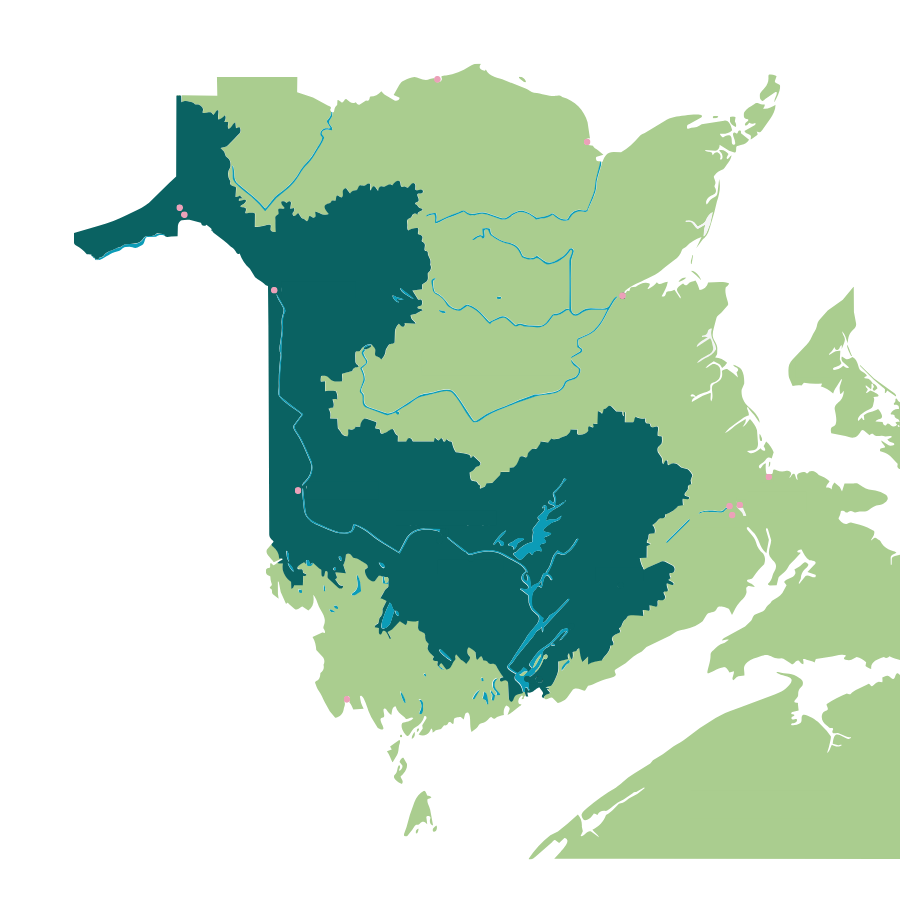
Another core benefit of nature-based solutions is reflected in WWF-Canada’s overarching priority for comprehensive ecosystem regeneration. In the Wolastoq watershed, investments in things like restoring wetlands and planting native species along riverbanks can offer significant benefits to the more than 500,000 people who live in the region, as well as the wildlife – which includes nearly 50 species at risk of extinction – and the land and river ecosystems.
“We really strive to create ecosystems where both wildlife thrives and also the humans that live in those communities,” says Alex Portman, head of corporate partnerships at WWF-Canada. For example, by doing restoration in the upper reaches of the river near Edmundston, WWF-Canada is creating cascading benefits for the entire watershed, notes Lauren Stead, senior manager of ecosystem restoration at WWF-Canada.
Restoration takes root
Restoration projects in the Wolastoq are part of a broader 10-year strategic plan WWF-Canada is deploying through to 2030 called Regenerate Canada, which has three pillars: 1) catalyze the restoration of one million hectares of degraded ecosystems across the country, 2) steward and protect 100 million hectares of ecosystems, and 3) reduce carbon emissions in the atmosphere by 30 million tons using nature-based solutions. “All of the work we do ladders up into these three main goals,” Portman says. “For corporate partners, that means their investment is directed toward science-based, high-impact projects that deliver measurable results on the ground.”
As restoration projects take root in the Wolastoq watershed, WWFCanada is working to activate more impactful partnerships in the region and beyond. For its part, Wawanesa is on board for more of this type of collaboration, where “partners with the local technical expertise drive a coordinated approach to identifying the appropriate solutions that actually get them off the ground,” McEwen says. “We hope to be able to scale that over time.”
Learn more about partnering with WWF-Canada: wwf.ca/partnerships
Illustrations by Chanelle Nibbelink