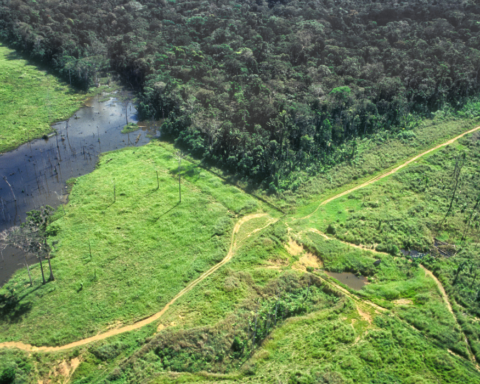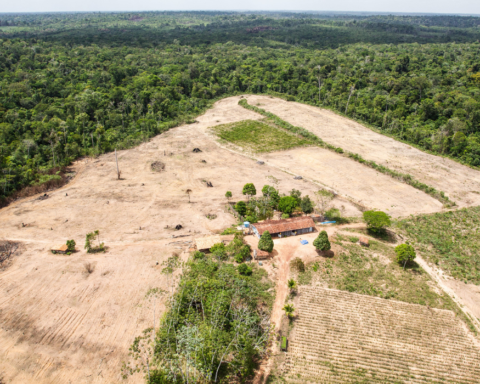
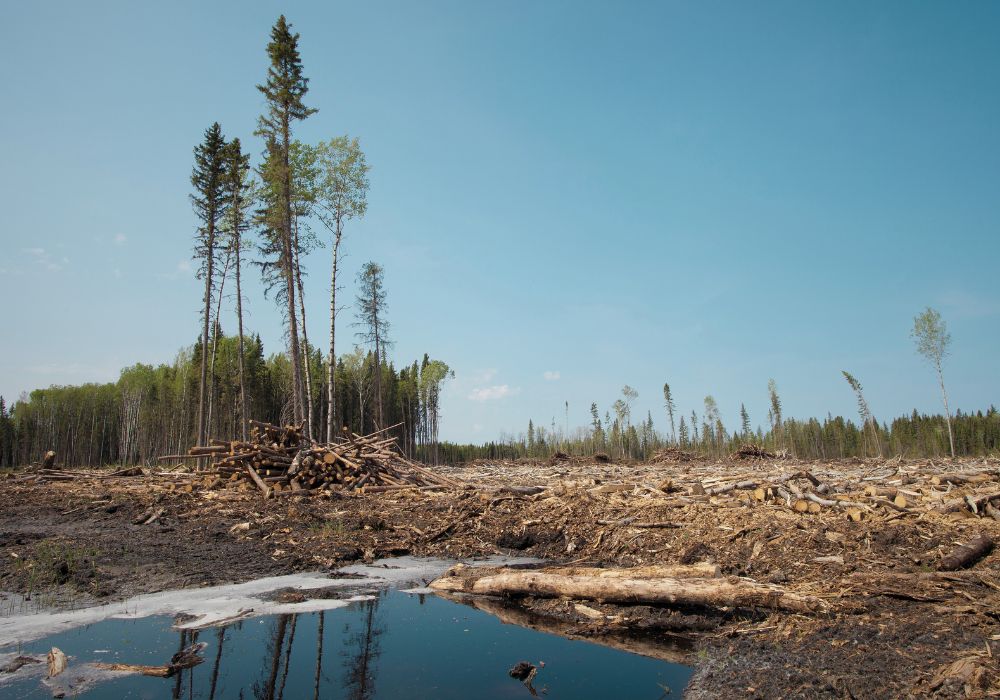
In its latest budget, the Liberal government scrapped the 2 Billion Trees (2BT) program as part of Prime Minister Mark Carney’s broader effort to rein in federal spending. The move has caused concern for conservationists, forestry experts and industry groups who say the cut leaves a major policy gap at a moment of accelerating ecological stress.
Launched in 2019, the 2BT program set an ambitious goal: plant two billion saplings by 2031 as part of Canada’s plan to reach net-zero emissions and rehabilitate fire-damaged forests. But progress lagged from the start. According to the auditor general, only 2.3% of promised trees were planted in the program’s first two years. Annual targets were missed again in 2023, the program’s third planting season.
“The 2 Billion Trees program was riddled with challenges . . . its reputation became tarnished,” says Rachel Plotkin, boreal manager at the David Suzuki Foundation. “I don’t know how seriously it was treated.”
Critics called the initiative “broken” and a “failure.” At the same time, Plotkin says, the program represented a commitment, and despite bad press the abrupt end surprised many, especially since it was cut without a proposed replacement. “The 2 Billion Trees program was a kind of centrepiece of having a vision for restoration, and in its absence, there’s a huge void that needs to be filled,” she says.
The majority of our nursery members are privately owned, and they will need to make business decisions as to whether they’re going to start downsizing or not.
– Rob Keen, executive director, The Canadian Tree Nursery Association
The federal government defends the cancellation as a necessary part of reducing expenses, and the new budget points to ongoing investments in “sustainable forest management.” One billion already-contracted trees will still be planted as the initiative concludes. “The 2BT program will honour and continue to administer funding for existing agreements until 2031,” Devin Baines, a spokesperson for Natural Resources Canada, wrote in an email. “Canada’s commitment to climate action, nature protection, and forest health remains unchanged.”
For Plotkin, the reassurance falls short. “The federal government continues to announce new major projects, many of which will have impacts on ecosystems. To [end the program] in the absence of putting our commitment to restoration front and centre, I think, is just a failure of our responsibility to nature,” she says, adding that the move also ignores the program’s economic value, including job creation associated with tree planting worldwide.
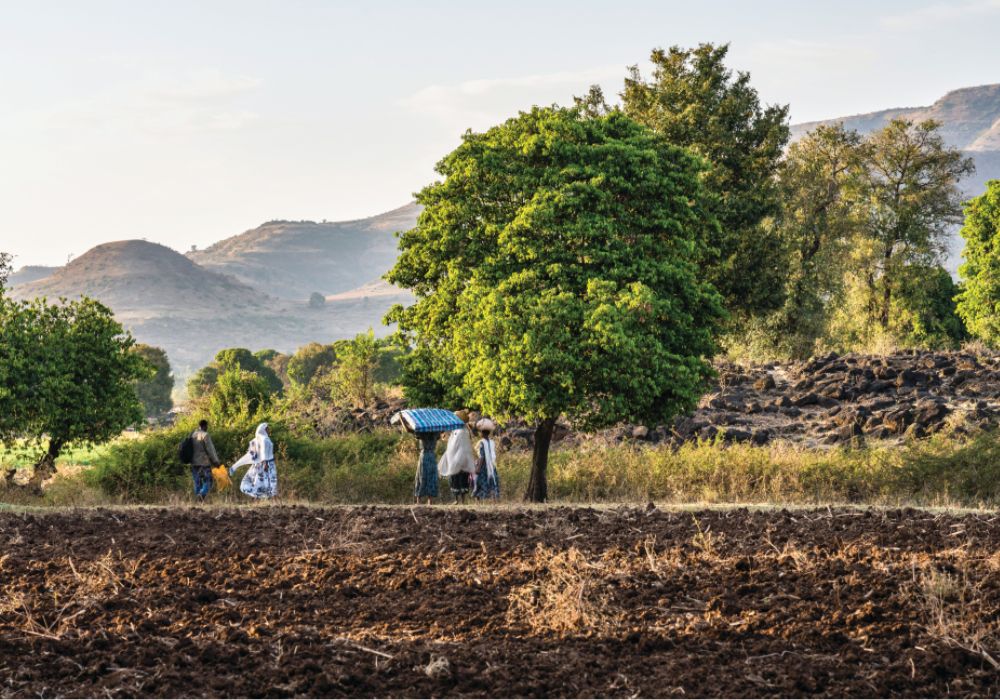
Other countries have led the way in this regard, seeing promising results and proving that socioeconomic improvements and tree planting can go hand in hand. Ethiopia’s ambitious and successful effort to plant 50 billion trees generated 767,000 jobs for nursery managers, forestry agents and seasonal workers. Malawi, the first African country to develop a national forest-restoration strategy, in 2017, has linked restoration targets directly to improved food security and reduced poverty.
Economic impacts
On the flip side, cancellation lands hard on Canadian companies. The Canadian Tree Nursery Association, representing more than 95% of the country’s forest-restoration seedling suppliers, expressed “profound disappointment” in the decision, arguing that the reversal jeopardizes livelihoods of workers and undermines a forestry industry that has built up to meet federal demand.
Rob Keen, a professional forester and the association’s executive director, says the cut will reverberate through the entire supply chain into communities. “There’s no long-term commitments made by the government to restore these forests,” he says. “The majority of our nursery members are privately owned, and they will need to make business decisions as to whether they’re going to start downsizing or not.”
He adds that the program got a slow start partially because it took years for seeds to become ready-to-plant seedlings, plus a significant effort to create the infrastructure to fulfill such ambitious goals. Now that this infrastructure is finally in place, it may need to be dismantled with the sudden drop in demand.


Keen says the uncertainty created by the program’s end forces employers to make difficult decisions. “Our nurseries were very concerned with this reduced number of seedlings that are being planted at a time when, with all these wildfires, we should be increasing . . . the amount of seedlings being planted, not only for the ecological value that provides, but in the jobs that it provides as well.” Keen notes that many positions created by planting projects go to youth, rural and Indigenous workers. “Then it’s a question of do they start laying off staff?”
Other organizations, including Forests Canada, have issued similar warnings. Evidence for Democracy called the termination “climate backsliding.” Clean50, a sustainability leadership organization, described the move as “short-sighted,” pointing out that more than 8% of Canada’s forests have burned in the past three years and that these areas can no longer regenerate naturally without restoration help. The group wrote in an open letter that some 31,000 existing and expected jobs will be lost as a result of cancelling the program in a move contrary to Canada’s 2030 Nature Strategy, which aims to stop and reverse biodiversity loss.
“Forests are probably our greatest natural resource, and it’s the government’s responsibility to take care of that asset,” he says.
This article was updated with comments from Natural Resources Canada.
Leah Borts-Kuperman is a journalist based in North Bay, Ontario. Her previous reporting has been published by Canada’s National Observer, The Narwhal, The Logic and The Walrus, among others.
The Weekly Roundup
Get all our stories in one place, every Wednesday at noon EST.